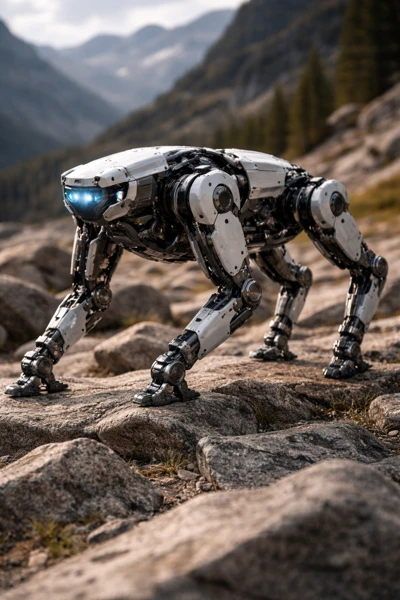
Adapting in Real Time
A robot that can recover from mistakes is more valuable than one that only works in perfect conditions.
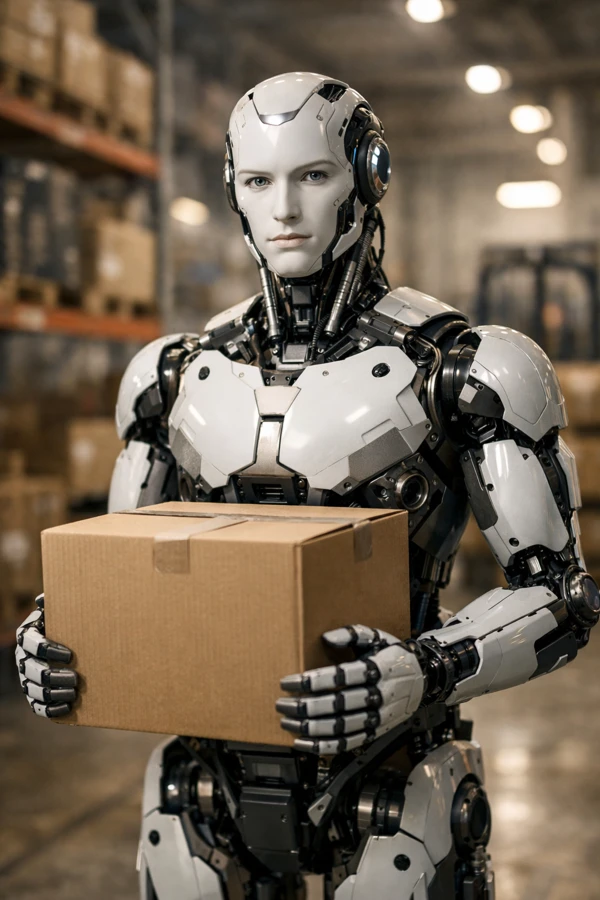
Can robots really think for themselves? Physical AI combines sensors, planning, and trained models to help machines respond to changing environments. Some systems can adapt during a task, but that is not the same as human thought or consciousness.
There is no established evidence that today’s robots are conscious or alive. What people call “thinking” is practical machine intelligence: interpreting sensor data, selecting an action, and using feedback to adjust. Learning a new skill usually requires a separate training process rather than happening automatically during every task.
That shift matters because real life is not a clean factory script. Homes, sidewalks, hospitals, warehouses, and disaster zones all change constantly. A useful robot has to handle surprise.
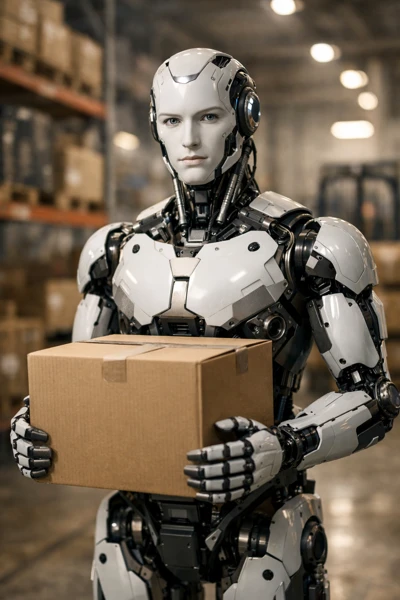
Physical AI gives robots a feedback loop: see, decide, act, learn.
A smart robot needs three core abilities working together. Miss one, and the machine becomes clumsy fast.
Traditional automation repeats a predefined sequence. Physical AI aims to make robots more flexible when objects, lighting, or surroundings change.
Example: a robot picking up a cup must detect its location, estimate a safe grip, move its arm, and check whether the cup was grasped. Success in a demonstration does not guarantee reliable performance in every home.
They can make limited decisions using sensors, models, and programmed goals. That is different from independent human reasoning or consciousness.
Physical AI describes AI systems that perceive and act in the physical world, combining sensors, control, planning, and trained models to perform tasks.
Some systems adapt online, but many robots use models trained beforehand. A robot responding to feedback is not necessarily learning a permanent new skill.
Consumer companion and cleaning robots exist, but general-purpose home robots capable of reliably doing many unfamiliar household tasks remain limited.
A robot that can recover from mistakes is more valuable than one that only works in perfect conditions.
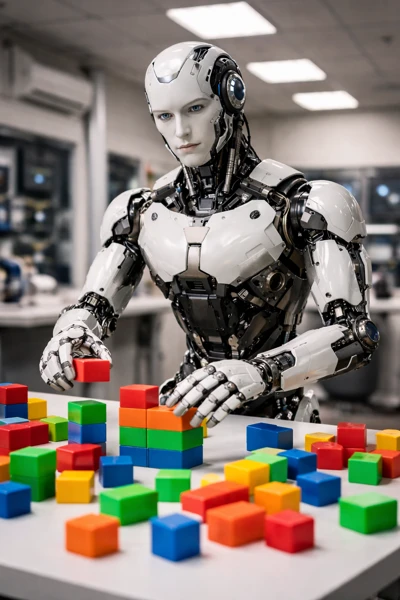
Modern robots learn through a mix of simulation, human examples, reinforcement learning, and real-world correction.
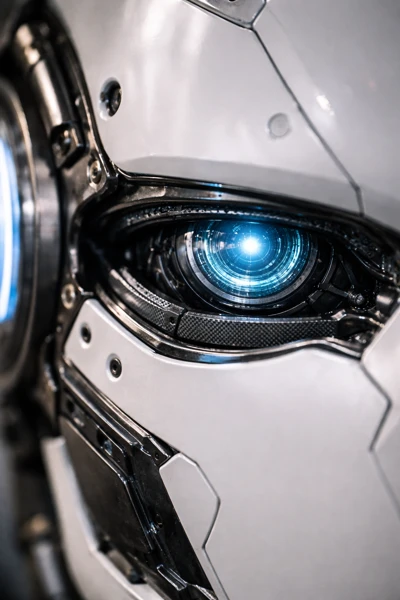
Vision and sensor fusion help robots recognize objects, people, obstacles, and changing environments.
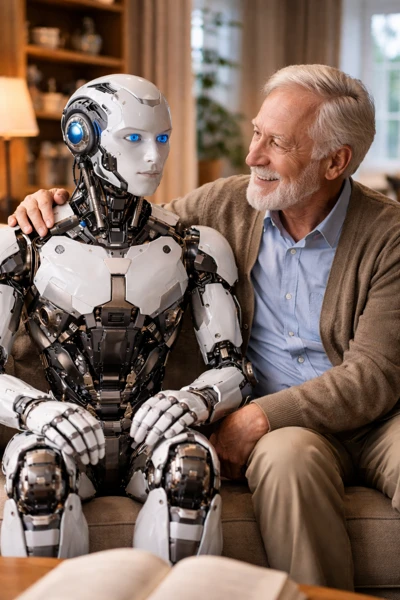
The biggest win is not sci-fi drama. It is useful help in daily life.
This is where robotics stops being a lab demo and starts becoming personal. Future home robots will learn routines, adapt to rooms, recognize repeated tasks, and become more useful the longer they are around you.
The honest version: we are not at human-level robot intelligence yet. But the pieces are starting to connect — and that is enough to change home assistance, elder care, security, mobility, logistics, and hands-on work.
A thinking robot does not magically “know” what to do. It compares possible actions, reads sensor feedback, and adjusts. That decision loop is what separates a useful adaptive robot from a toy that only follows a script.
The practical breakthrough is not consciousness. It is reliable action under messy conditions.
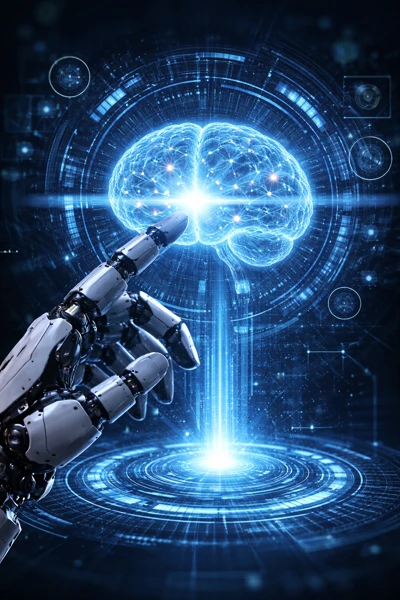
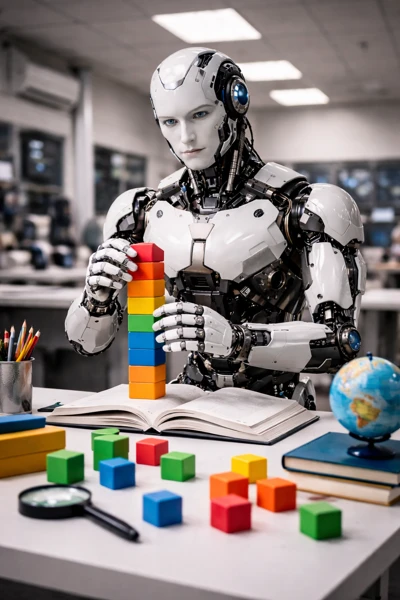
Modern robot learning is built on repetition. The robot tries an action, measures what happened, compares that result against the goal, and improves the next attempt. That is the road from stiff automation to useful autonomy.
A home is messy: furniture moves, lighting changes, people behave unpredictably, and every room is different. That is exactly why adaptive robots matter. They need perception, memory, safe motion, and common-sense task handling.
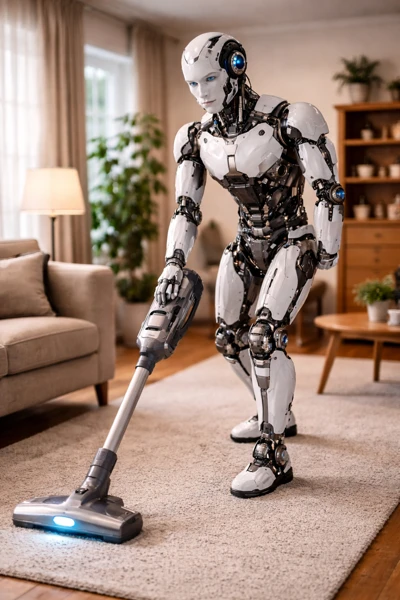
These consumer robots are early tastes of personal robotics: expressive, interactive, and built to make robot companionship feel real.
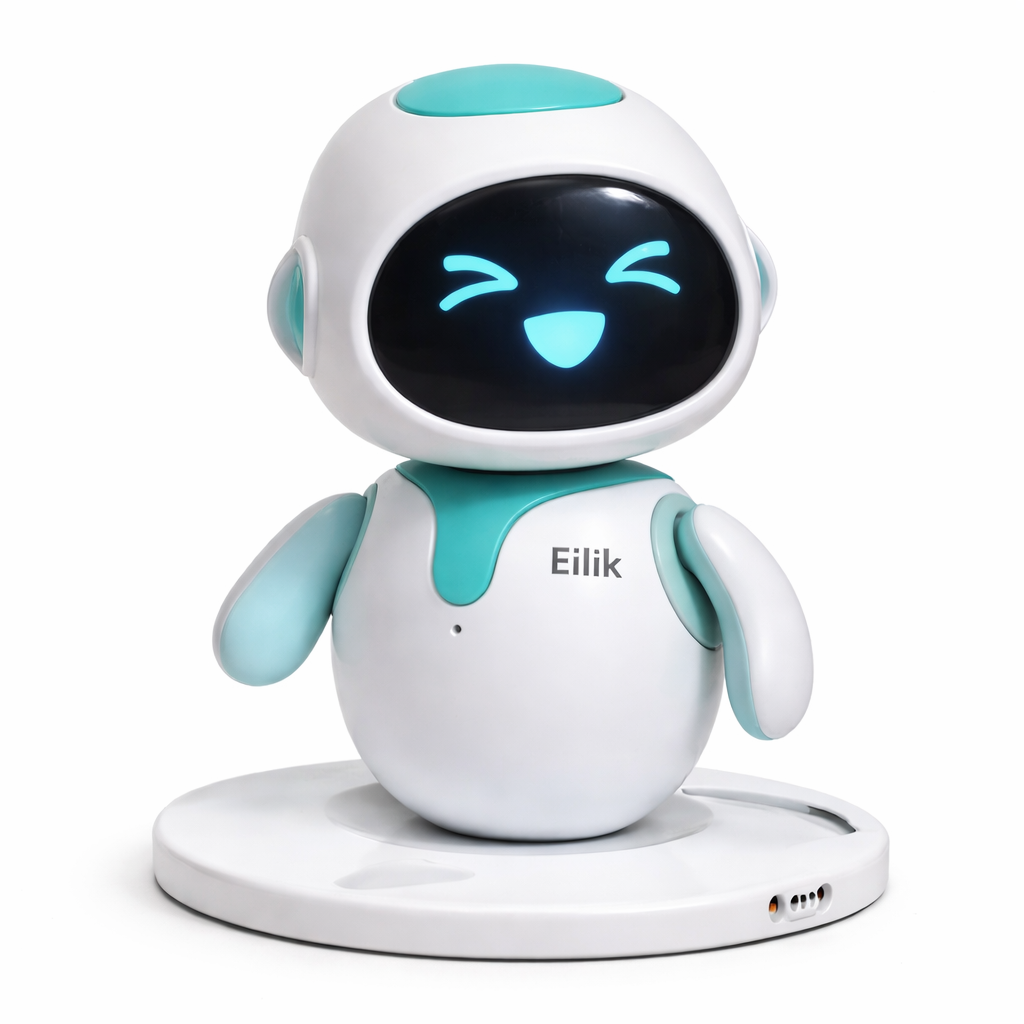
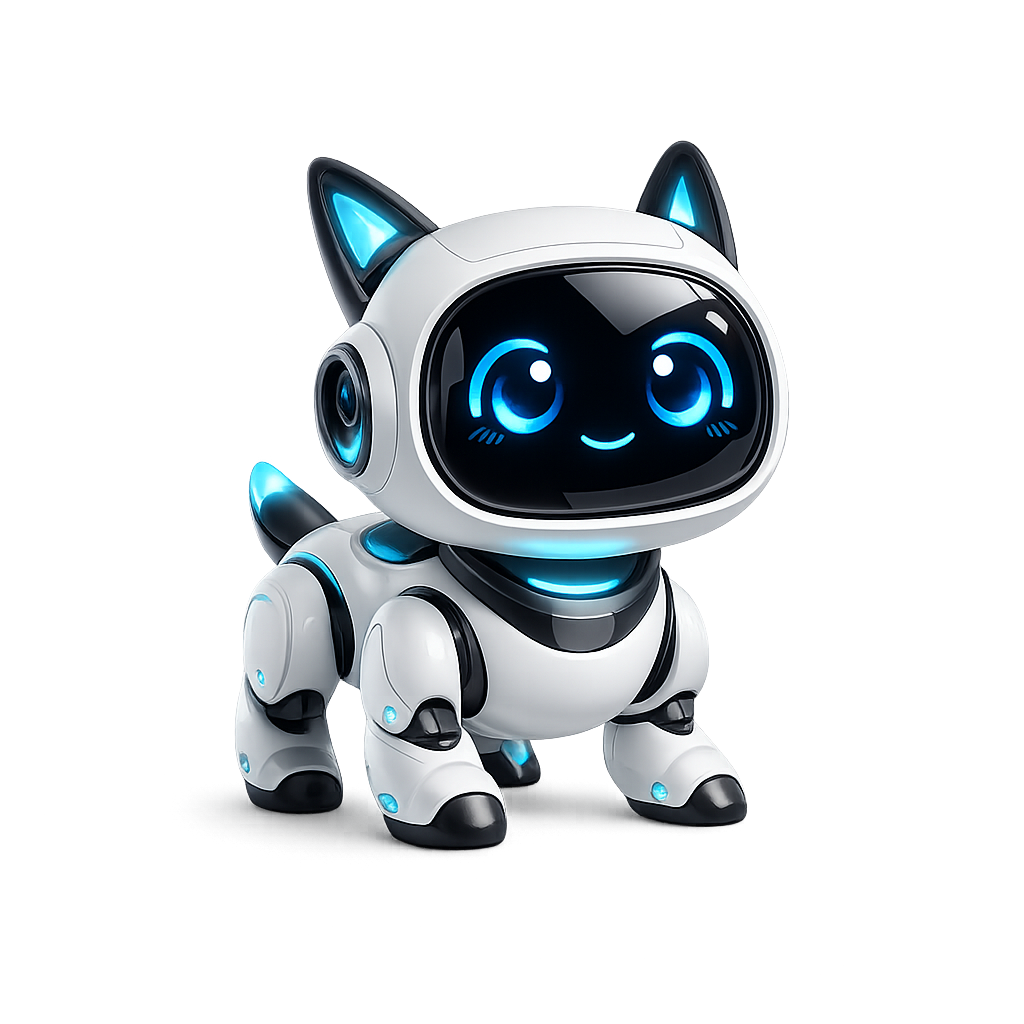
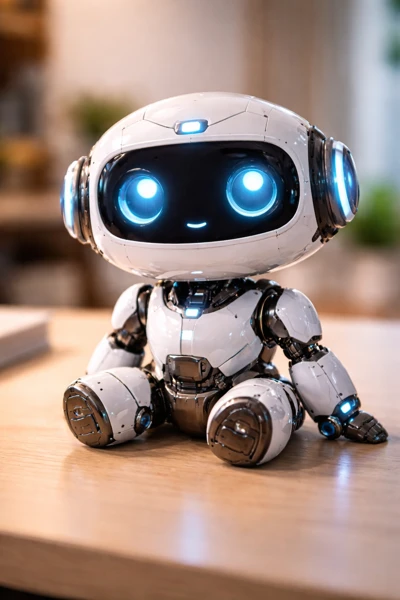
Today’s companion bots are still early. Future versions may combine personality, mobility, voice, vision, and useful task assistance, but capabilities and reliability vary widely.
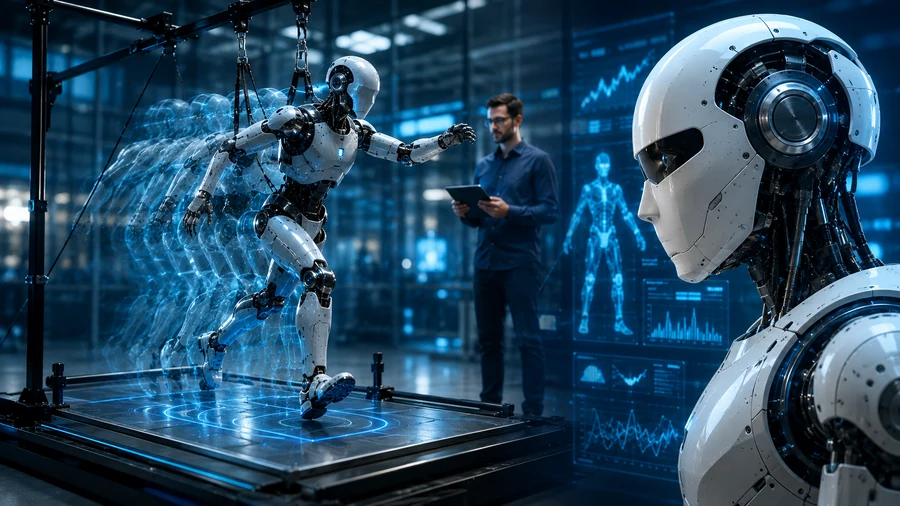
Robots are becoming better at movement policies, balance, and physical tasks.
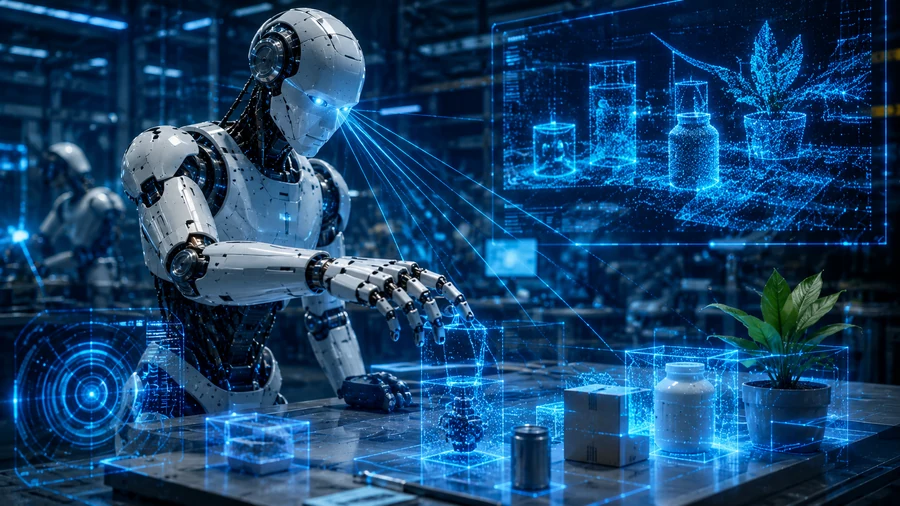
A strong match for the article: robot learning, feedback, perception, and physical-world autonomy.
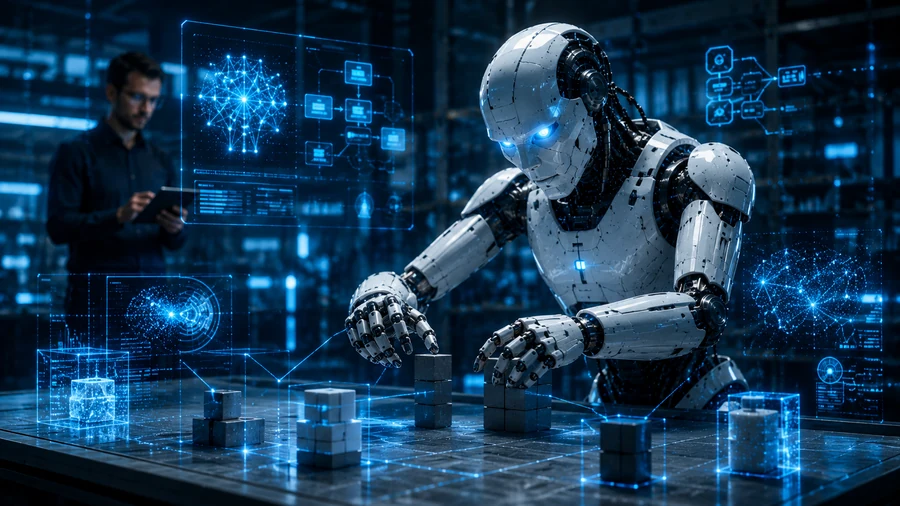
Training loops, simulation, and real-world feedback are where adaptive robotics gets serious.
For decades, robots followed instructions. Now they are beginning to interpret the world, respond to change, and improve through experience. That does not mean human-level intelligence is here. It means something more practical — and more important — is happening first: robots are starting to handle real life with less hand-holding.
Self-Learning Home Robots • AI and Robotics in Smart Cities • Xenobots and Living Machines • Robots & Gadgets
See how home robots are moving beyond commands and becoming more adaptive in everyday life.
Explore how intelligent machines are changing transportation, infrastructure, and urban life.
A strange but powerful glimpse at the edge of biological robotics.