Why this breakthrough matters to you
This is not just about robots looking more human. The real breakthrough is intelligence. A useful robot needs to understand what is around it, react safely, learn from new tasks, and keep working when the real world gets messy.
Modern AI is giving robots better vision, language understanding, sensor fusion, planning, and decision-making. That means the next wave of machines will not only repeat the same motion all day. They will start figuring out what needs to happen next.
Bottom line: the future of robotics is not only stronger motors and better metal. It is smarter decision-making inside the machine.
What is changing now?
Older robots were usually great at one narrow job. They could weld, sort, lift, or repeat a path thousands of times. AI robotics is pushing toward flexible behavior: recognizing objects, responding to spoken instructions, navigating busy spaces, and adjusting when something changes.
Where you will see it first
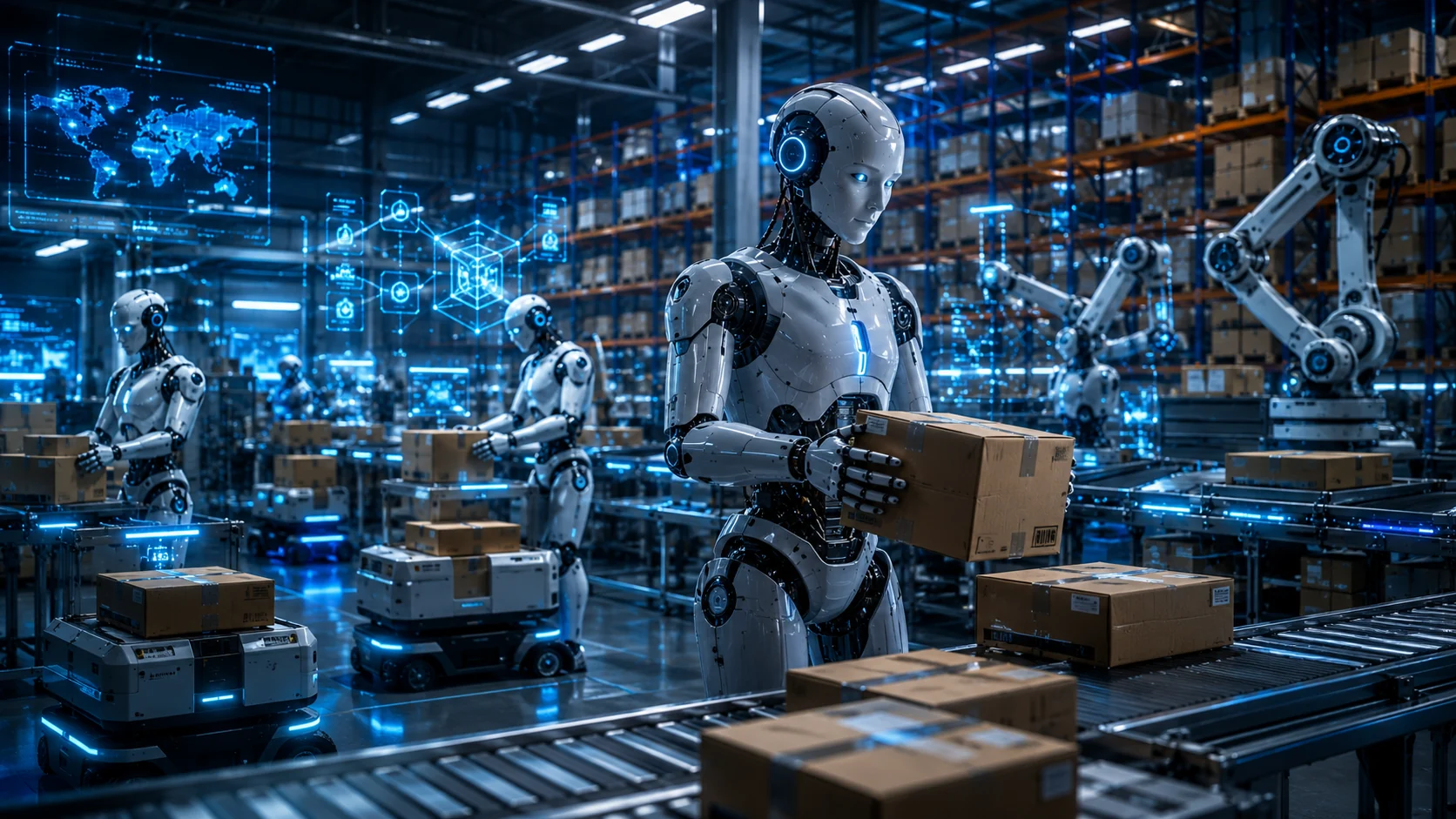
You will see the first serious wave in warehouses, hospitals, labs, factories, elder-care spaces, delivery systems, and smart homes. These are places where robots can save time, reduce risk, or help people handle repetitive and physically demanding work.
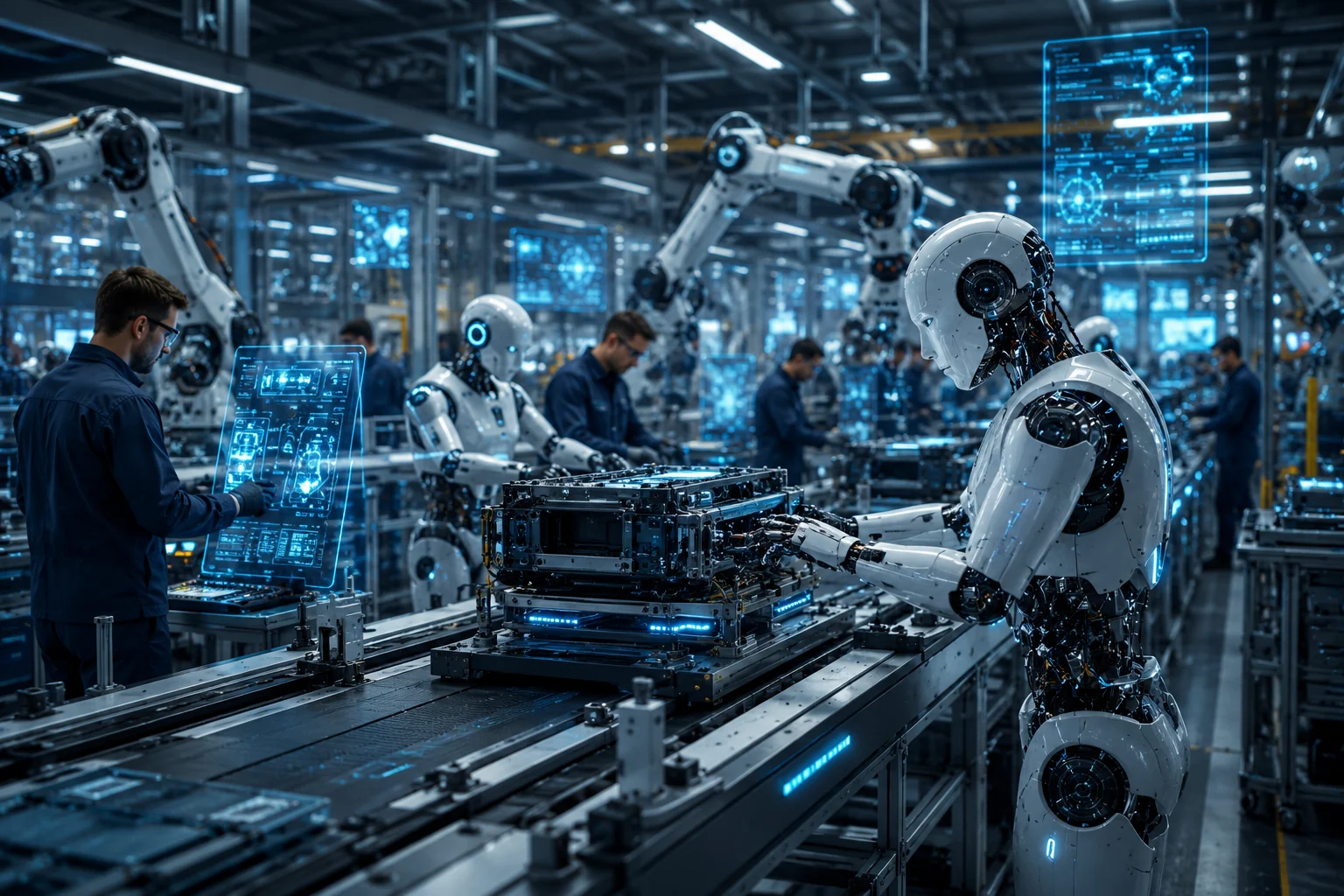
Smarter factories
You are going to see robots take on dangerous, repetitive, and exhausting work while people focus on supervision, repair, creative problem solving, and higher-level decisions.
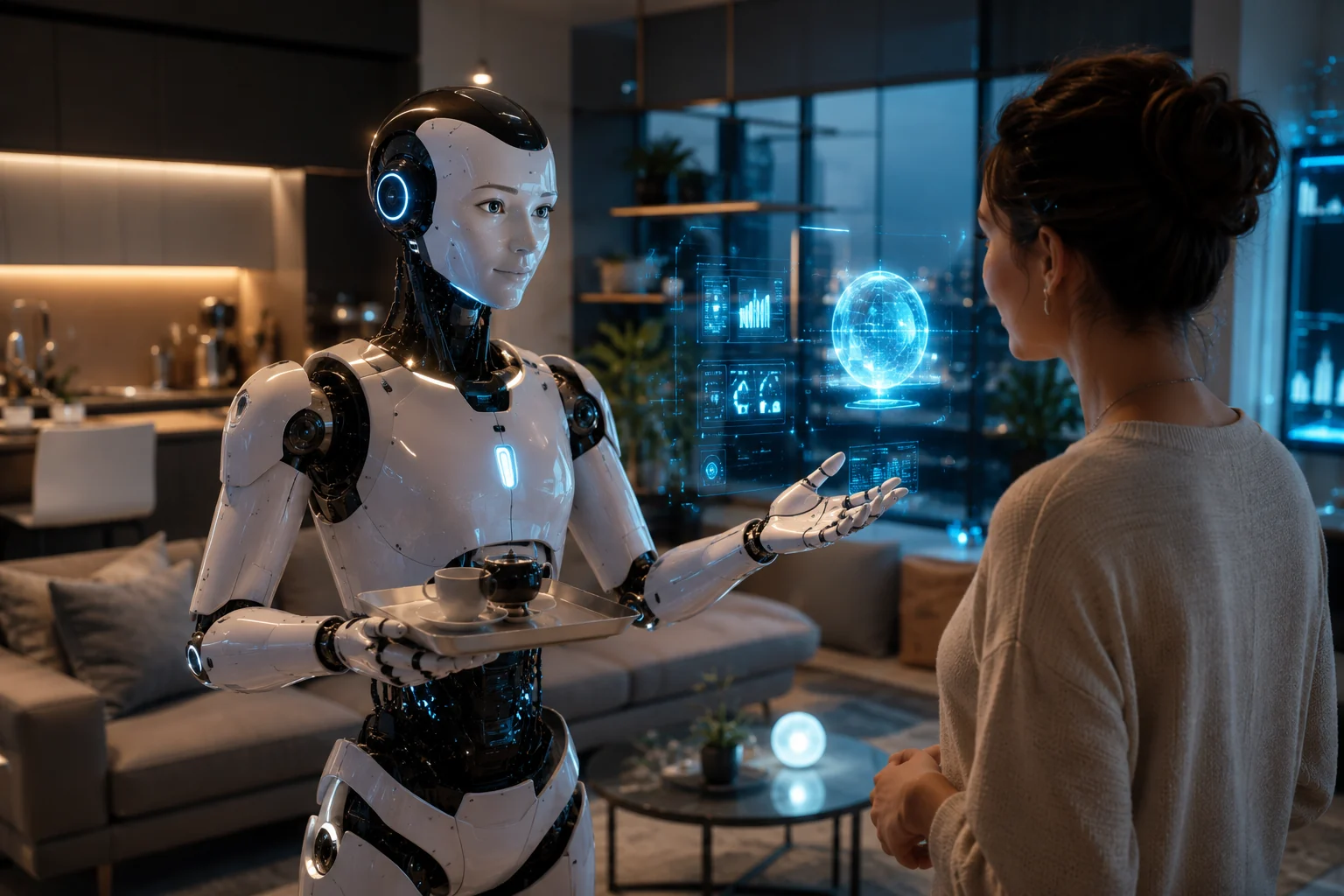
Helpful home robots
The home robot that actually matters will not be a toy. It will help with reminders, accessibility, safety checks, communication, and simple tasks that make daily life easier.
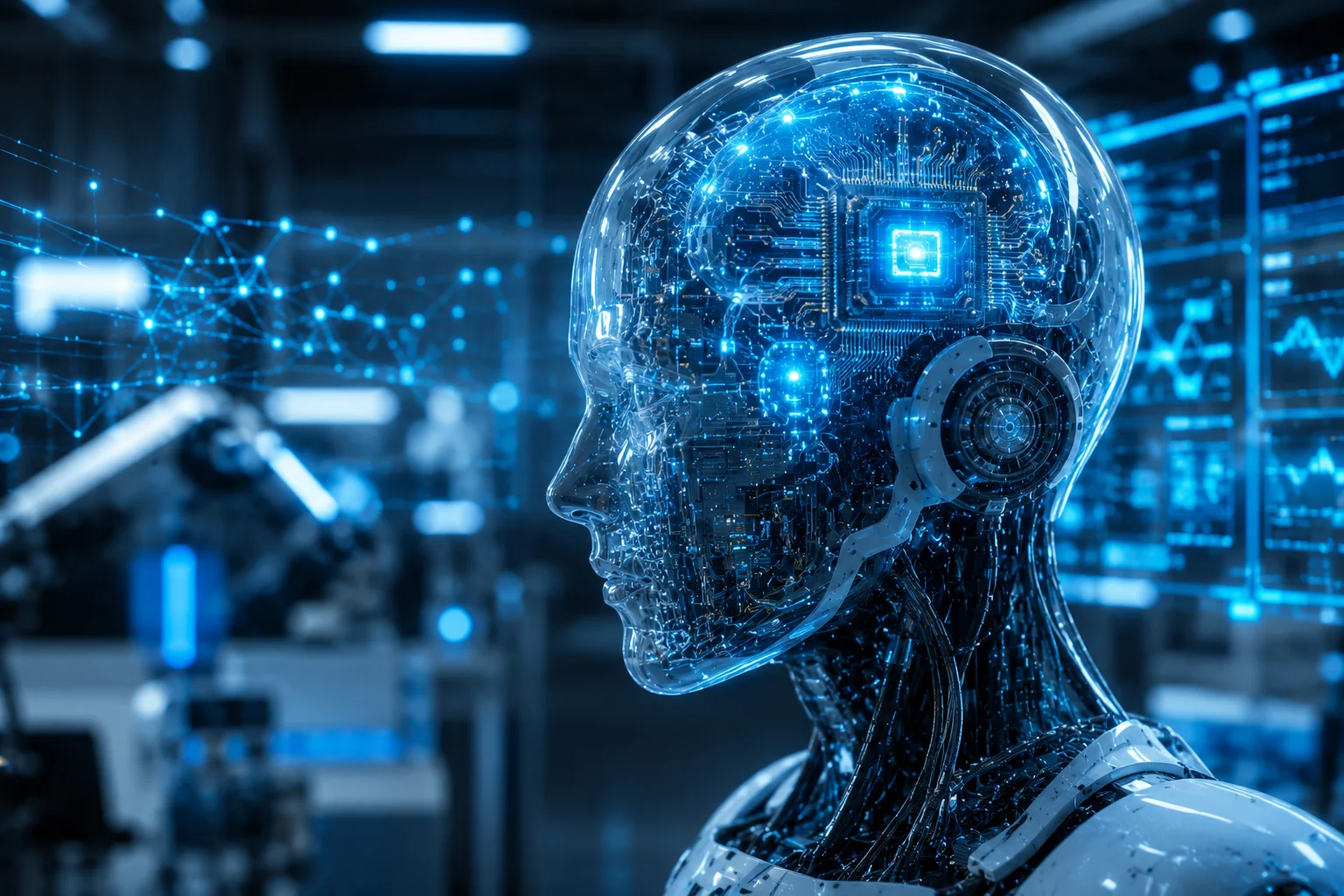
The AI brain
The hardware gets attention, but the brain is the big deal. A robot becomes useful when it can interpret a situation, choose a safe action, and correct itself when something goes wrong.
The hard truth
Robots are still not magic. They can fail, misunderstand, break down, and cost too much. The winners will be systems that are reliable, repairable, safe, and honest about their limits. Hype fades fast. Real utility sticks.
What this means for you
The best version of this technology does not remove people from the story. It gives people better tools: safer elder care, faster emergency response, stronger accessibility support, better manufacturing, and more useful assistants in daily life.