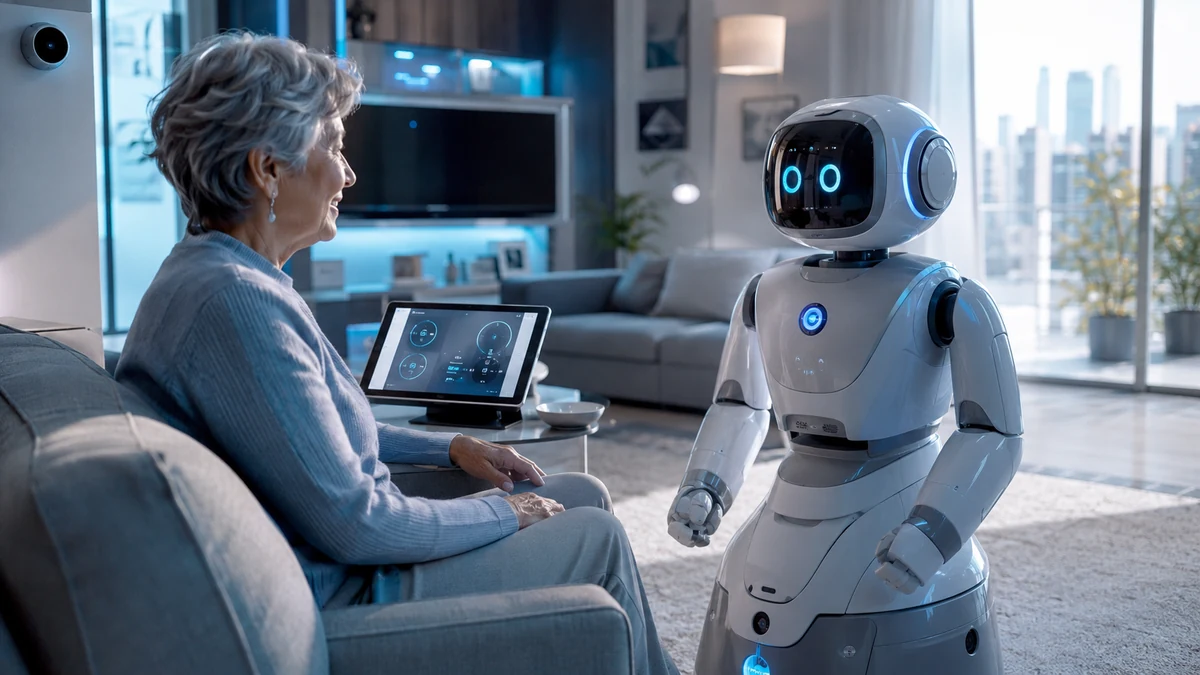
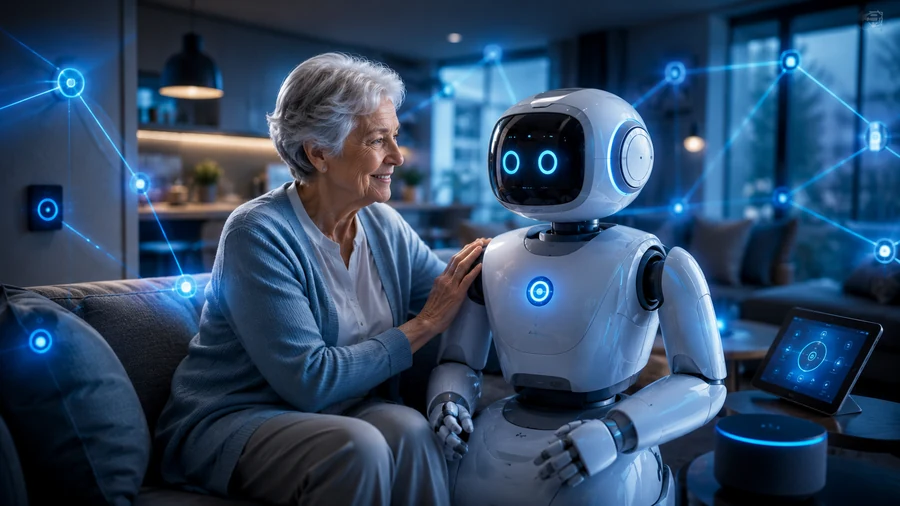
The big idea is simple: a smart home notices when someone is stuck, then a mobile robot rolls in with the right kind of help. That is what Washington State University researchers explored with the Robot Activity Support System, better known as RAS.
A robot that works with the home, not alone
RAS uses sensors inside the WSU smart apartment to understand where a resident is and what activity is happening. When the system detects that the person may have missed a step or stopped during a task, the robot can navigate through the home and offer help at the right moment.
The robot is not just wandering around waiting for a command. It is connected to the smart-home environment, so the home and robot act like one support system.
What RAS was designed to help with
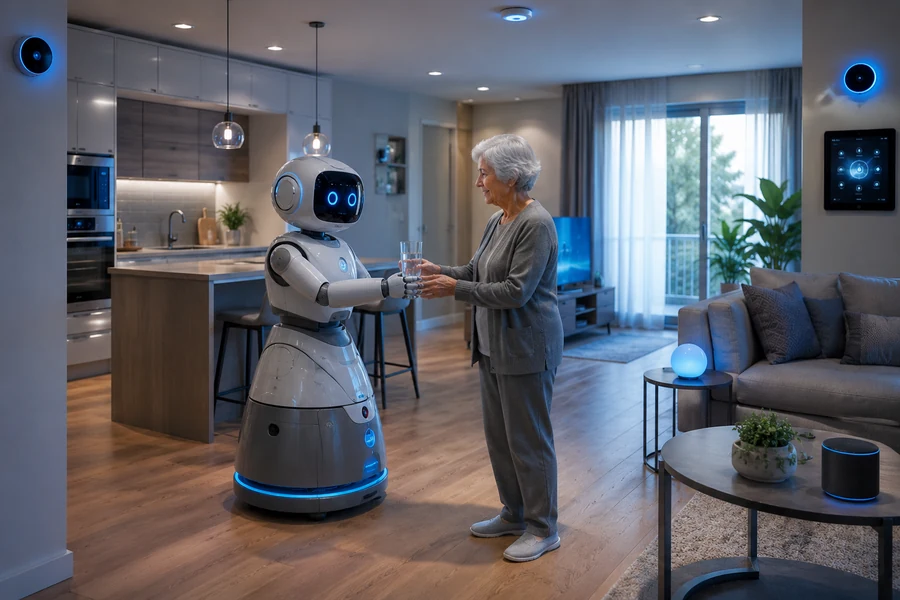
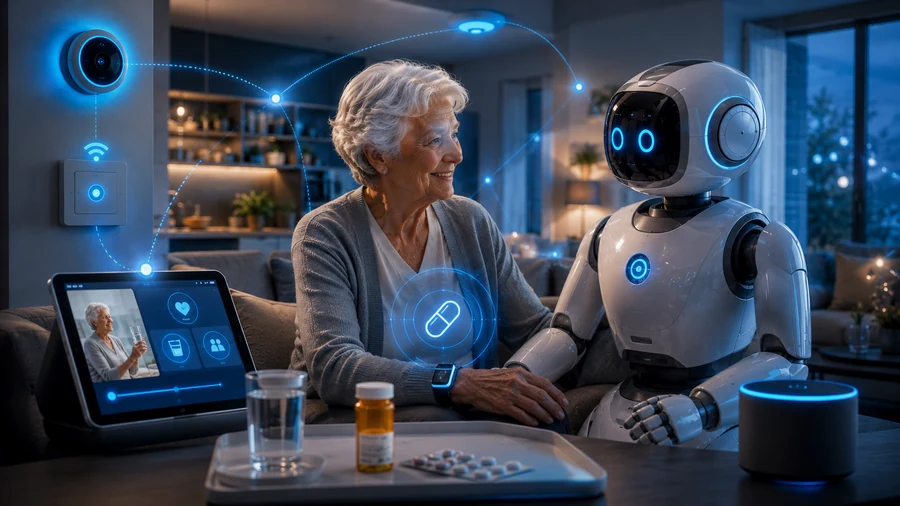
The study focused on ordinary daily activities: getting ready to walk a dog, taking medication with food and water, and watering household plants. These are small tasks on paper, but for someone with memory loss or cognitive decline, missing a step can create real risk.
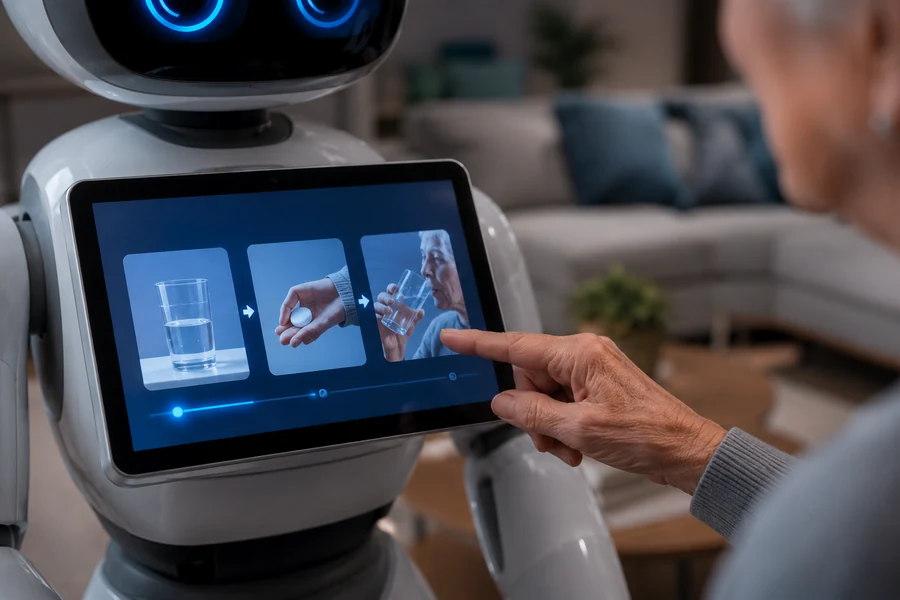
The robot could provide next-step video prompts, show the full activity, or guide the person toward objects needed to complete the task, such as medication, a snack, or a leash.
The best prompt is the one that does not overwhelm the user
This is where elder-care robotics gets tricky. A robot can be technically impressive and still fail if it annoys, confuses, or talks down to the person using it. A clear next-step prompt at the exact moment someone needs it can be more valuable than a flashy robot personality.
Why aging in place needs better tools
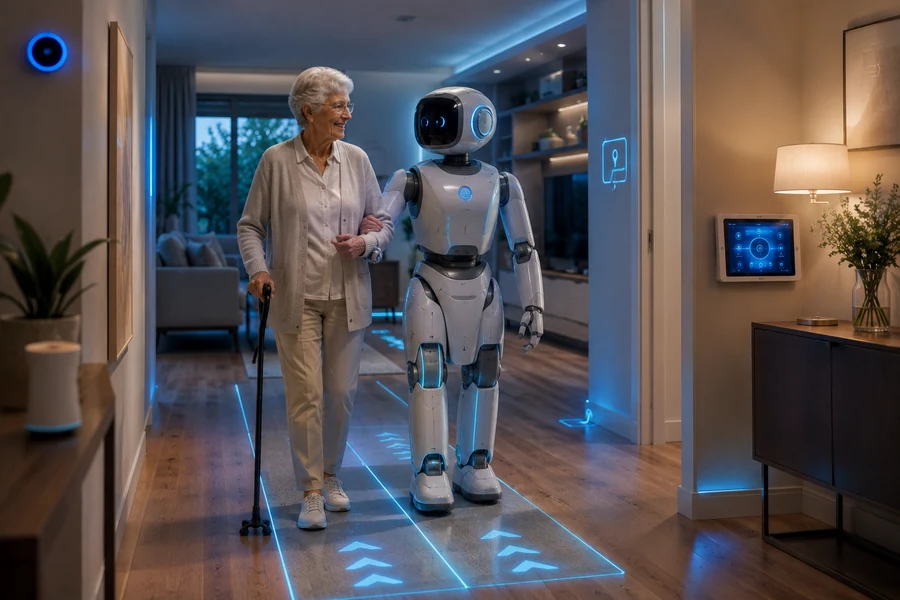
Many older adults want to remain in their own homes as long as possible. Home is familiar. It has routines, memories, and independence built into it. But independence becomes harder when medication schedules, food preparation, mobility, and memory challenges pile up.
A smart-home robot like RAS is one possible answer: not a replacement for family or caregivers, but a tool that fills some gaps between full independence and full-time assistance.
WolfieWeb takeaway
RAS points toward a future where the home itself becomes part of the care system. Sensors notice the situation, software interprets the need, and a robot delivers help in a way the person can understand. Not flashy. Not overhyped. Just useful technology aimed at helping people stay safer and more independent at home.
 ▶
▶Video 1: Elder-care robots and the future of aging care.
 ▶
▶Video 2: Smart-home robotics and connected aging-in-place support.
▶Video 3: Smart tech, reminders, and home care support for older adults.