
The next wave of elder care technology is not just about flashy robots. It is about making everyday life safer for people who want to stay independent. A useful elder care robot should help with medication reminders, daily routines, emergency alerts, fall detection support, video calls, and gentle companionship without becoming annoying or invasive.
What these robots can actually do
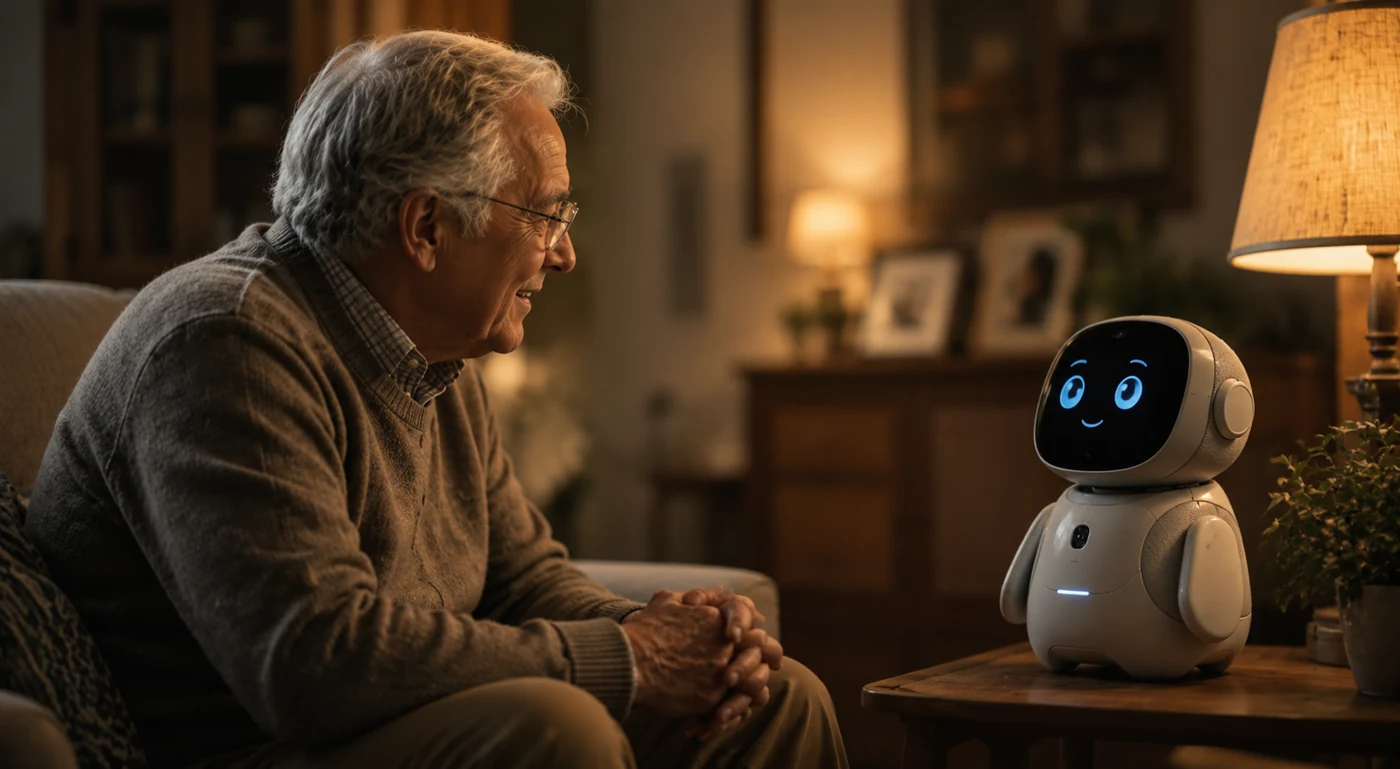
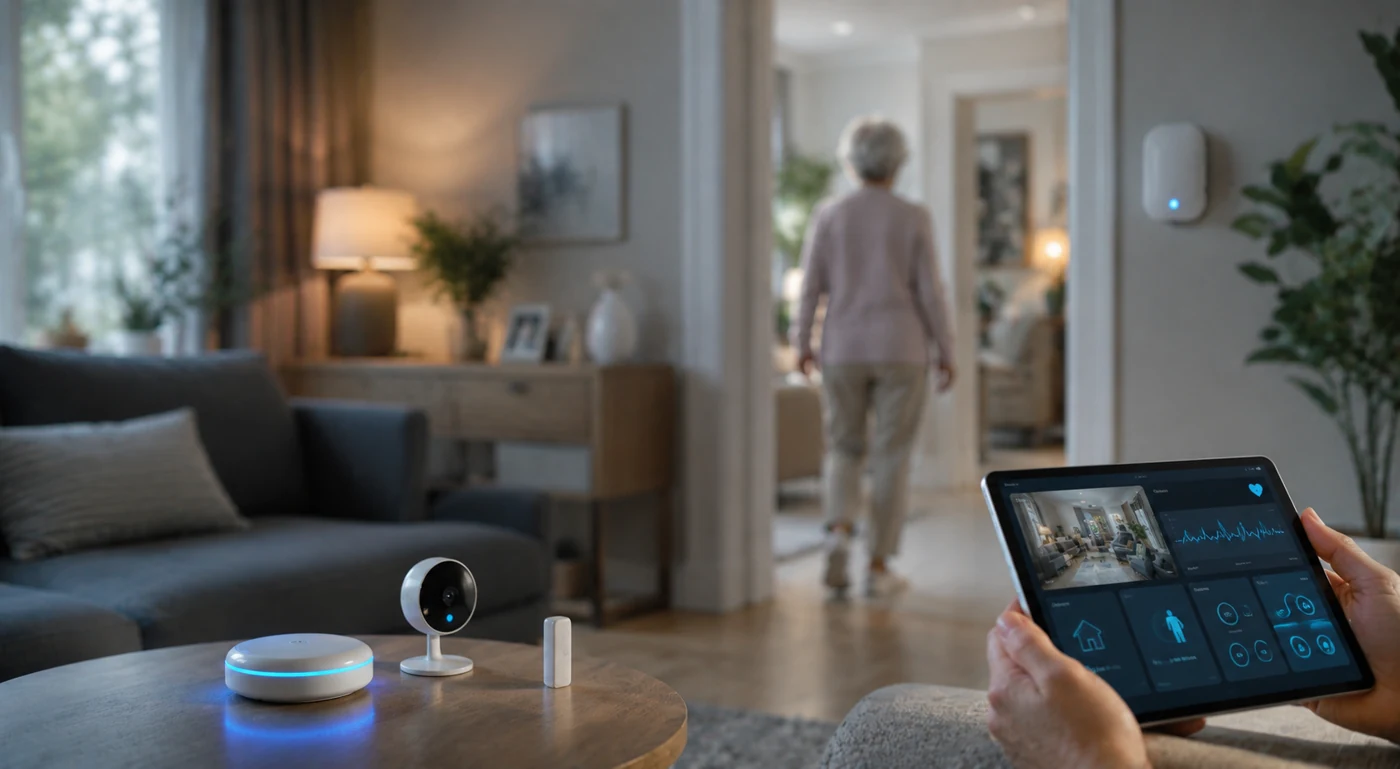
Home assistant robots and AI companion devices can remind someone to take medicine, encourage hydration, help with calendar routines, and connect family members through simple voice or video calls. Paired with smart home sensors, they can also notice changes in movement patterns, missed routines, or possible safety problems.
Where the technology still needs to grow
Let’s be honest: elder care robots are not magic. Voice recognition can still fail, batteries need charging, privacy must be handled carefully, and many seniors will reject technology that feels cold, confusing, or controlling. The winning systems will be simple, respectful, and useful enough that people actually want them in their homes.
Why this matters for families
For caregivers, the hardest part is often not knowing what is happening between visits or phone calls. A good assistive robot could provide peace of mind without turning the home into a surveillance zone. That balance is the whole game: helpful enough to matter, respectful enough to trust.
Video spotlight
Assistive robots for daily support
A quick look at how home robotics can support independence, reminders, mobility, and safer routines.
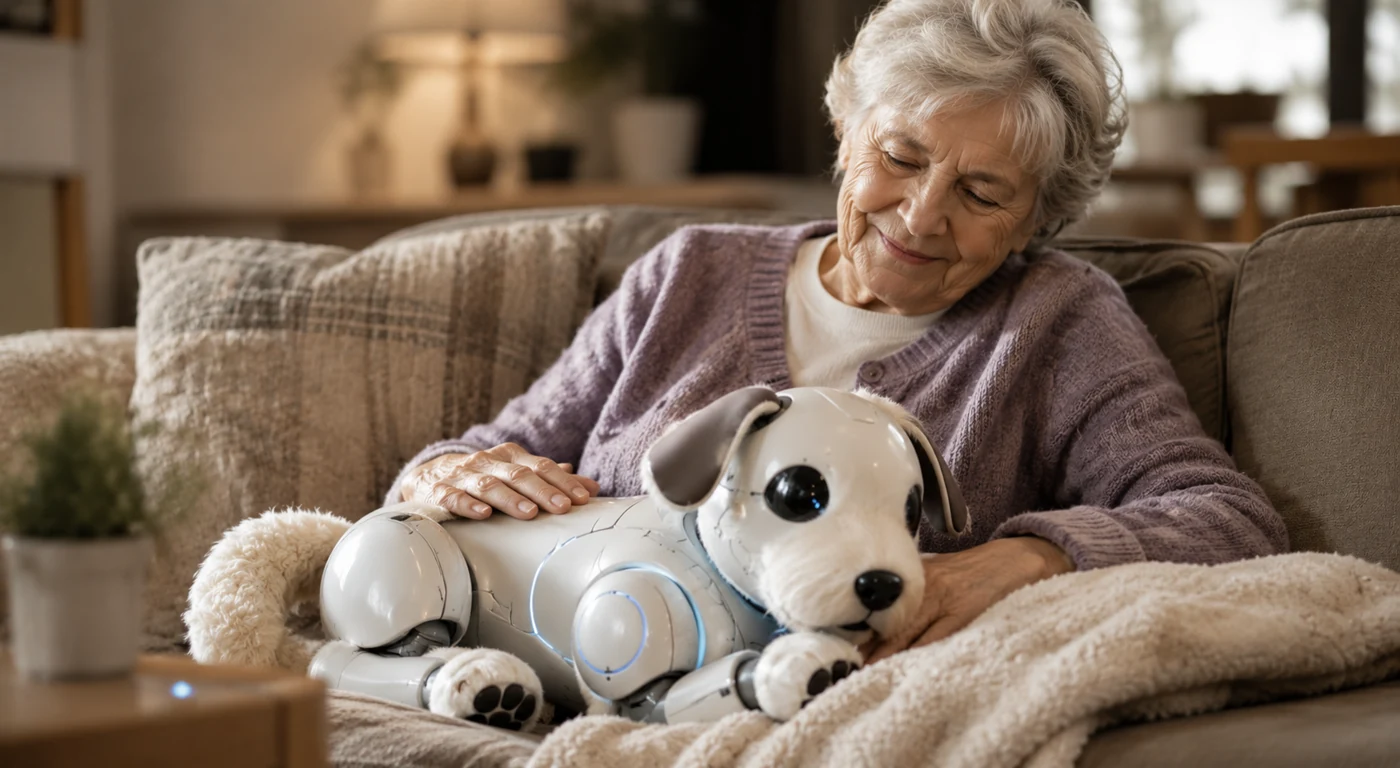
Companion robots and emotional connection
Companion robots are most useful when they reduce loneliness and make communication easier, not when they pretend to replace people.
Smart homes and safety alerts
Smart monitoring can help caregivers catch unusual changes earlier, especially when it is designed around privacy and consent.
The WolfieWeb take
Elder care robots are worth watching because the need is real. More people want to age at home, and families are stretched thin. The right robot will not be the loudest or most human-looking one. It will be the one that quietly makes daily life safer, easier, and more connected.