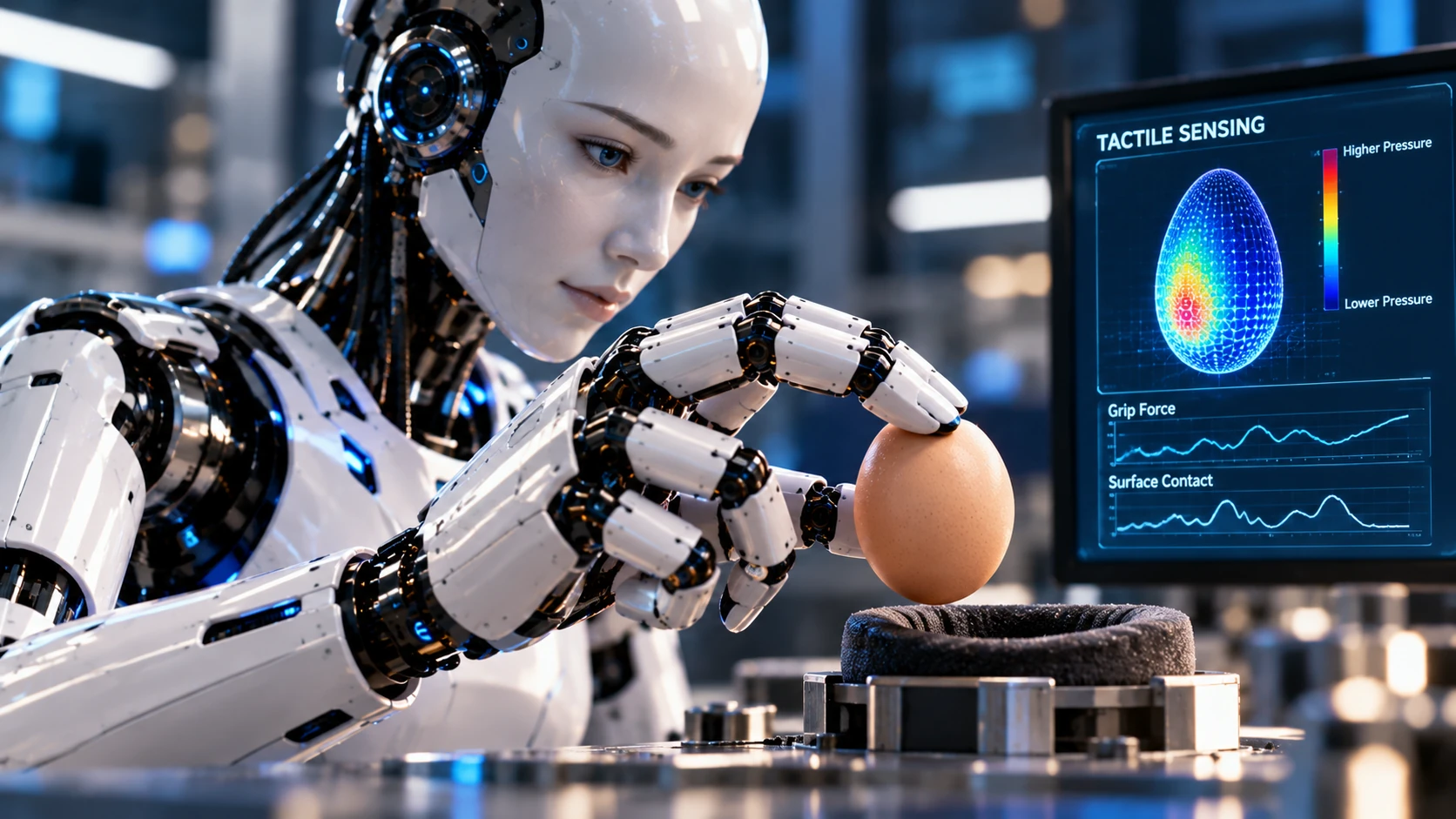
Imagine a humanoid robot picking up an egg. Vision can tell it where the egg is. AI can tell it what an egg is. But neither automatically tells the robot exactly how hard it is squeezing, whether the shell is beginning to slip, or whether the object is hotter, softer or more fragile than expected.
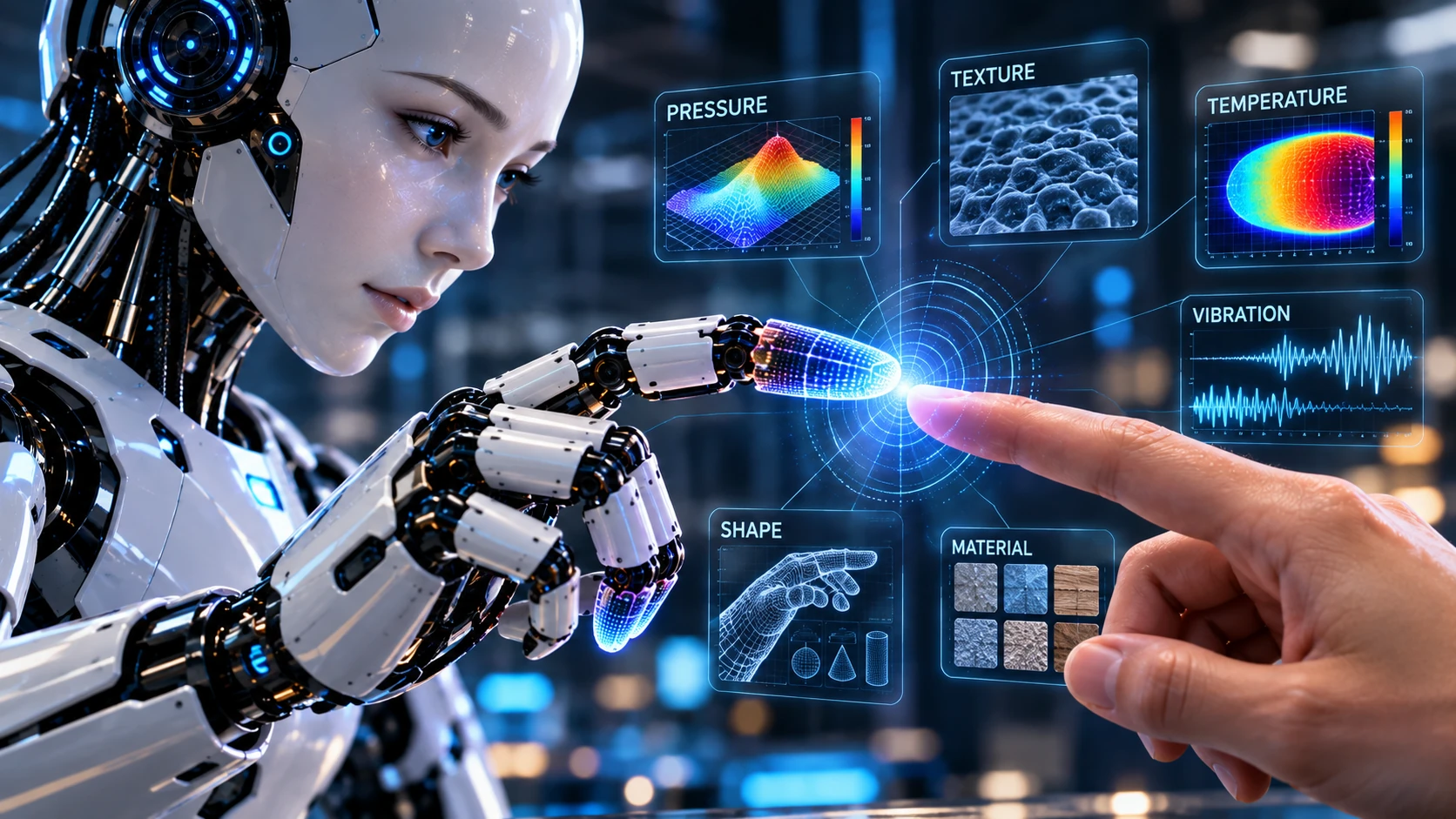
That is why touch is becoming one of the most important frontiers in robotics. Researchers are building electronic skins, tactile sensors and AI systems that can turn pressure, vibration, strain and temperature into information a robot can understand and act on.
Why vision alone is not enough
Modern vision-language-action models have made impressive progress at guiding robots through unfamiliar tasks. But dexterous manipulation is still difficult. A camera can lose sight of a contact point the instant a hand closes around an object. Touch can keep providing information exactly where the action is happening.
Artificial skin is getting much smarter
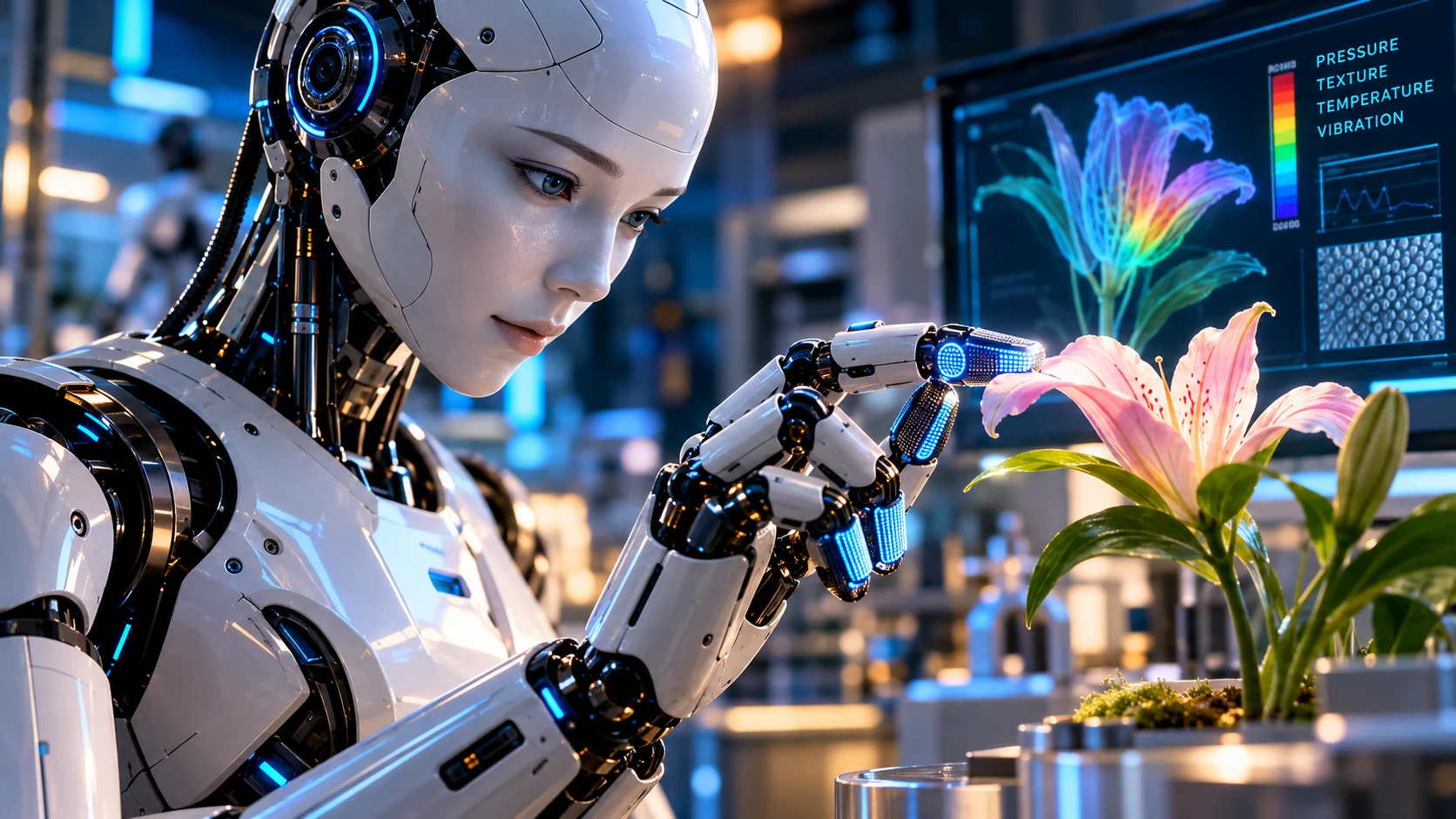
A 2026 Nature Sensors study described a skin-like sensor array inspired by human mechanoreceptors and thermoreceptors. Its system sends tactile information down two paths: a spiking neural network handles fast classification, while a large language model can reason about more uncertain or unfamiliar contact. A confidence-based mechanism decides when the slower reasoning path is needed.
That resembles a useful biological principle: not every touch should require deep thought. A robot should react quickly to routine contact, while reserving more expensive AI reasoning for situations it does not understand.
Robot fingertips are becoming sensory computers
Other 2026 research shows how quickly the hardware is advancing. SuperTac combines several sensing modes in a 1-mm-thick skin and was reported to detect force, position, temperature, proximity and vibration. Another Nature Communications project built an ultrathin hand-shaped iontronic sensor array for a dexterous robotic hand, demonstrating pressure mapping and careful grasping.
Researchers are also exploring whole-arm touch and scalable soft skins. That matters because real-world contact does not happen only at the fingertips. A humanoid working beside people may brush an elbow against a shelf, lean against a surface or have someone touch its arm. Whole-body tactile awareness could become an important part of safe physical intelligence.
Why this could be huge for humanoid robots
- Fragile objects: adjust grip before glass, fruit or electronics are damaged.
- Slip detection: react before an object falls.
- Human interaction: recognize contact and reduce force around people.
- Factory work: feel alignment and contact when fitting parts together.
- Healthcare: tactile sensing may eventually support careful physical examination and assistance.
- Home robots: handle clothing, dishes, food and irregular everyday objects more naturally.
The data problem
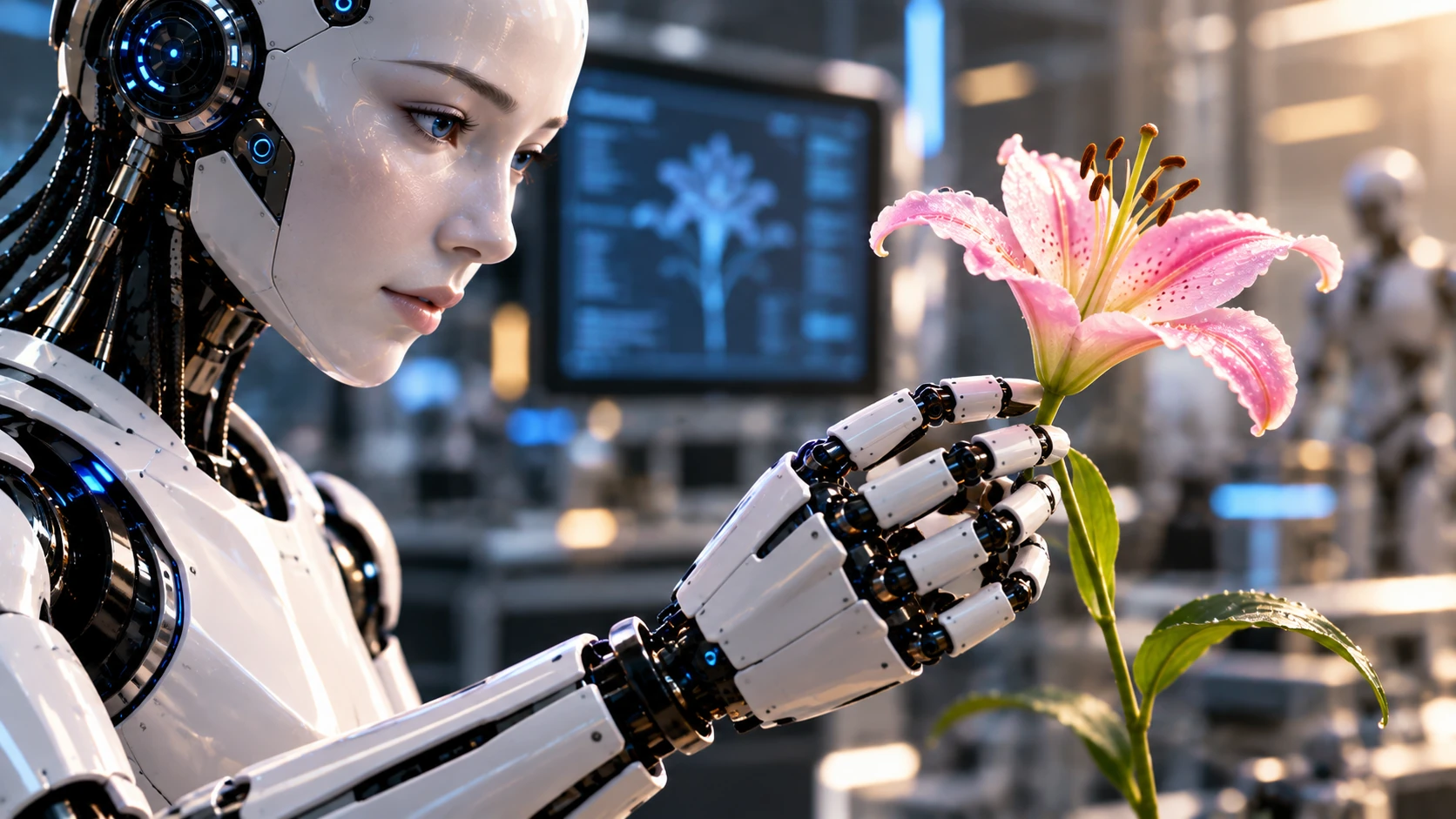
Touch has one disadvantage that vision did not: there is no internet-sized archive of tactile experience. Billions of images and videos helped train visual AI. High-quality robot touch data are much scarcer. IEEE Robotics & Automation Society highlighted this data bottleneck in September 2026, noting the growing effort to build tactile datasets and techniques that can use them.
That may become a new race in robotics: not simply who builds the best hand, but who collects the richest physical interaction data and teaches a robot what those sensations mean.
What happens next?
The most capable future robots may combine vision, language, sound, proprioception and touch into one model of the physical world. When that happens, the change may feel less like adding another sensor and more like giving machines a missing layer of physical common sense.
Watch: robots learning through touch
These research demonstrations show tactile sensing in action—from artificial skin to high-resolution fingertips and dexterous manipulation. Tap any video to watch it inside the WolfieWeb lightbox.
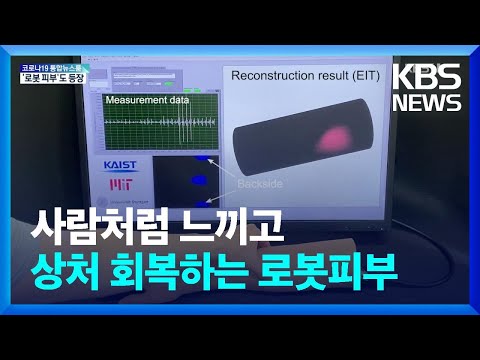 ▶
▶Robot Skin That Can Feel Touch and Heal
KBS News looks at soft robot skin designed to sense touch across a robotic arm.
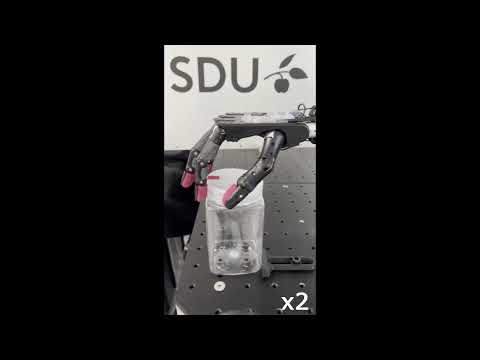 ▶
▶Tac2Motion: Tactile Feedback for Robot Hands
Tactile feedback for contact-rich robotic hand manipulation.
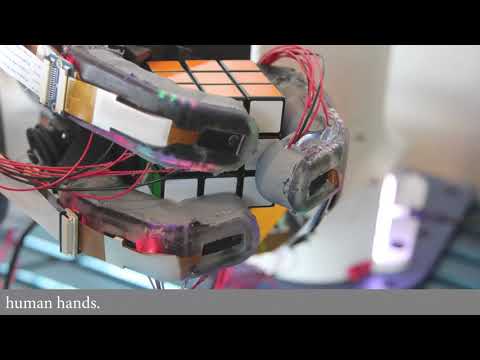 ▶
▶GelSight EndoFlex Tactile Hand
A soft robotic hand with continuous high-resolution tactile sensing.
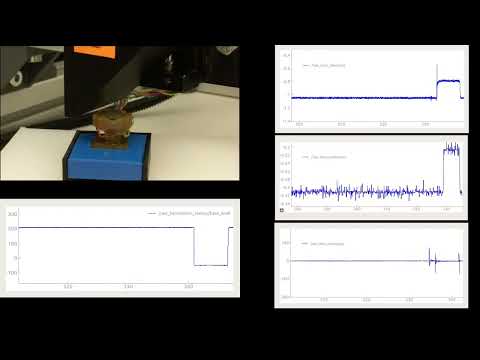 ▶
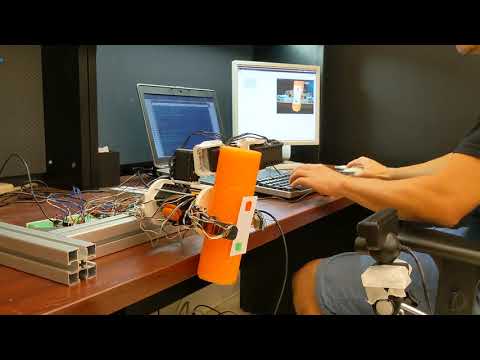
▶BioIn-Tacto Multi-Modal Touch Sensor
A compliant tactile module reacting to physical contact.
 ▶
▶Tactile Sensors on a Robotic Hand
Multi-modal tactile sensors mounted on robotic fingers.
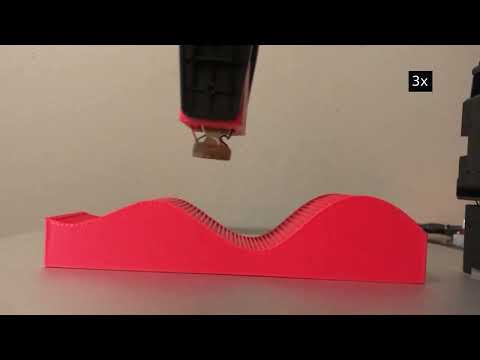 ▶
▶Touch-Based Surface Estimation
A tactile module used to estimate a contacted surface.
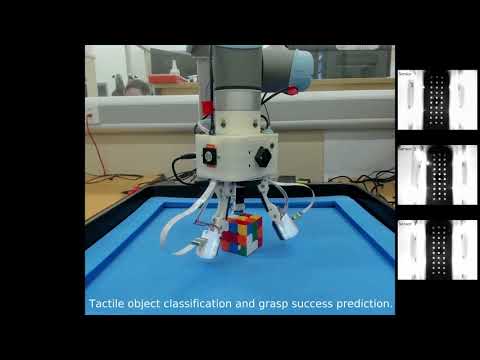 ▶
▶Tactile Model O Robot Hand
A three-fingered hand using biomimetic tactile fingertips.
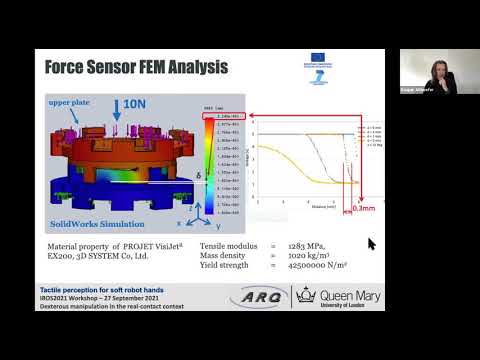 ▶
▶Tactile Perception for Soft Robot Hands
Research on tactile perception and soft robotic hands.
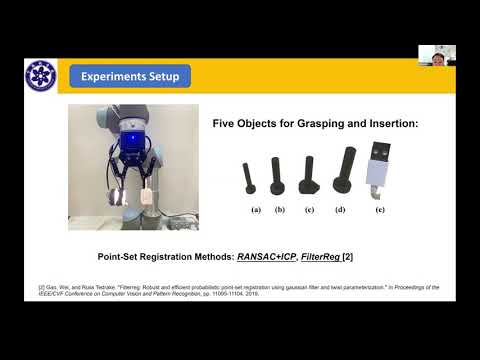 ▶
▶In-Hand Object Localization with Touch
GelStereo visuotactile sensing for in-hand localization.
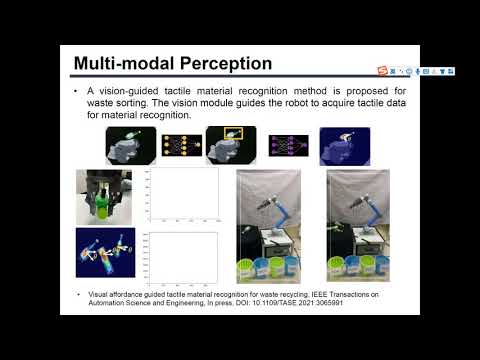 ▶
▶Dexterous Manipulation & Multi-Modal Perception
Research on dexterous manipulation, perception and learning.
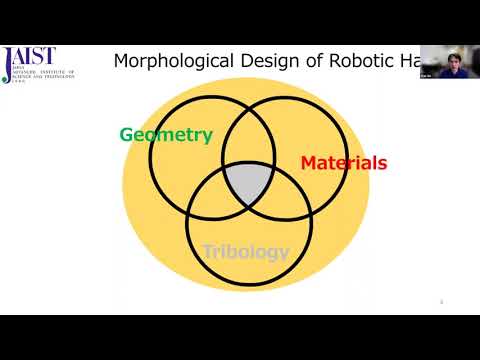 ▶
▶Handling Wet and Fragile Objects
Robotic hands manipulating difficult, fragile objects.
 ▶
▶Mapping Clutter Through Contact
Using contact information to understand clutter and retrieve objects.