Why this matters
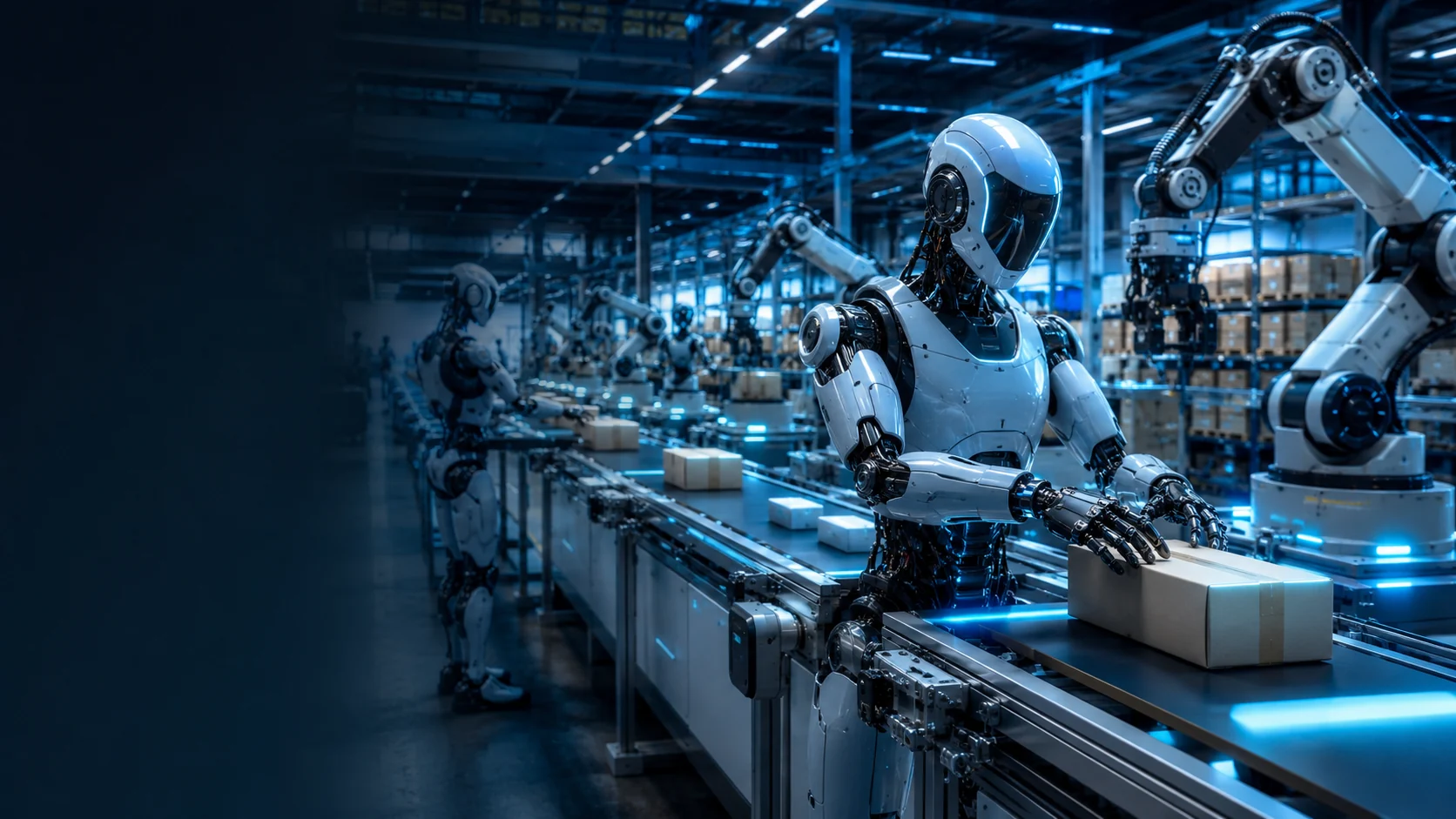
The biggest robotics shift is not one single robot. It is the combination of smarter AI, better sensors, cheaper hardware, cloud-connected fleets, and safer human-machine collaboration. That mix is pushing robots out of research labs and into real jobs.
Warehouse AI fleets are becoming the nervous system of logistics
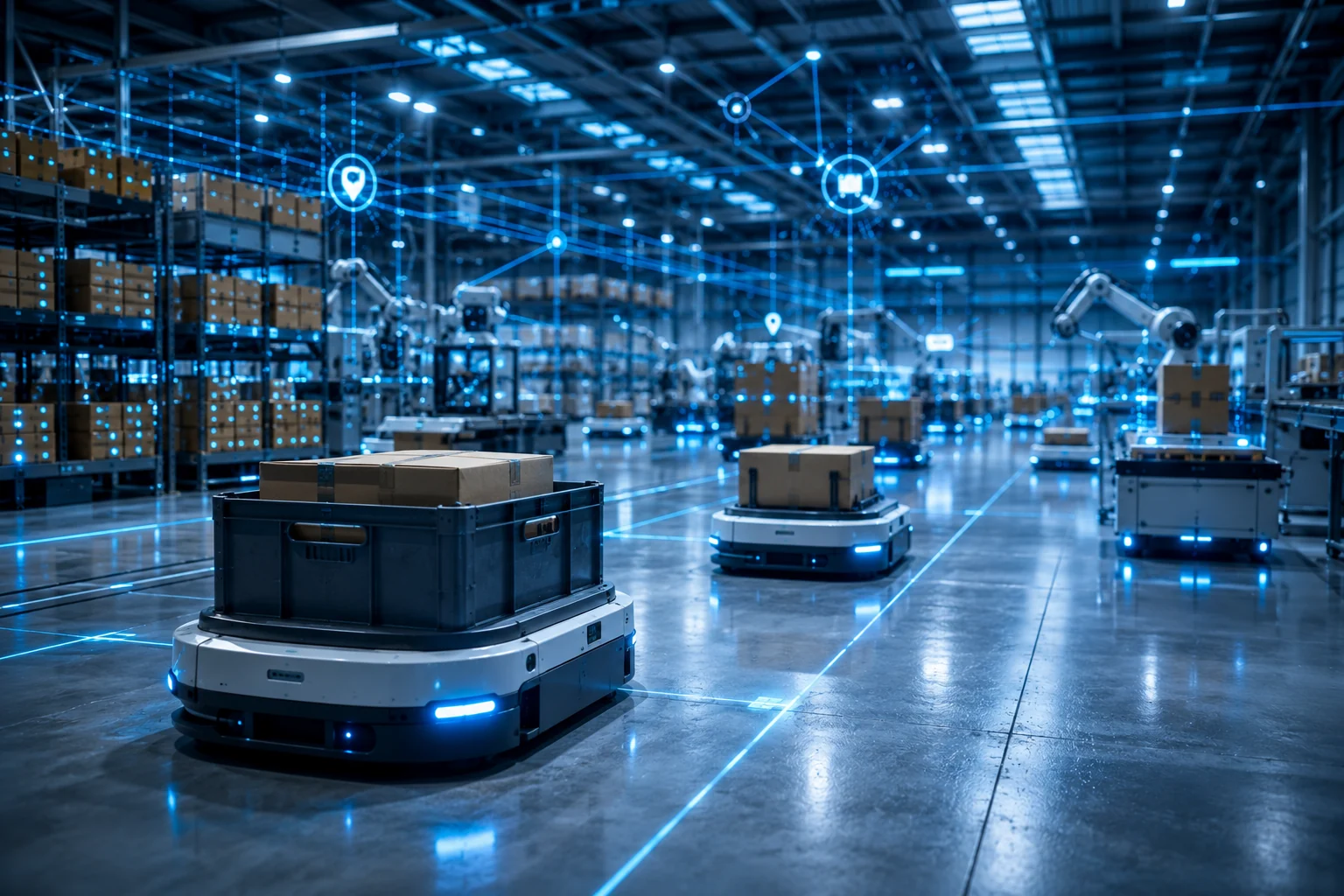
Automated warehouses are no longer just conveyor belts and barcode scanners. Mobile robots now move like coordinated teams. AI routing systems decide where each robot should go, which path is safest, and how to keep the entire floor flowing.
For you, this affects faster shipping, smarter inventory, fewer bottlenecks, and a major change in how companies handle physical products.
Soft robotic grippers are solving the delicate-touch problem
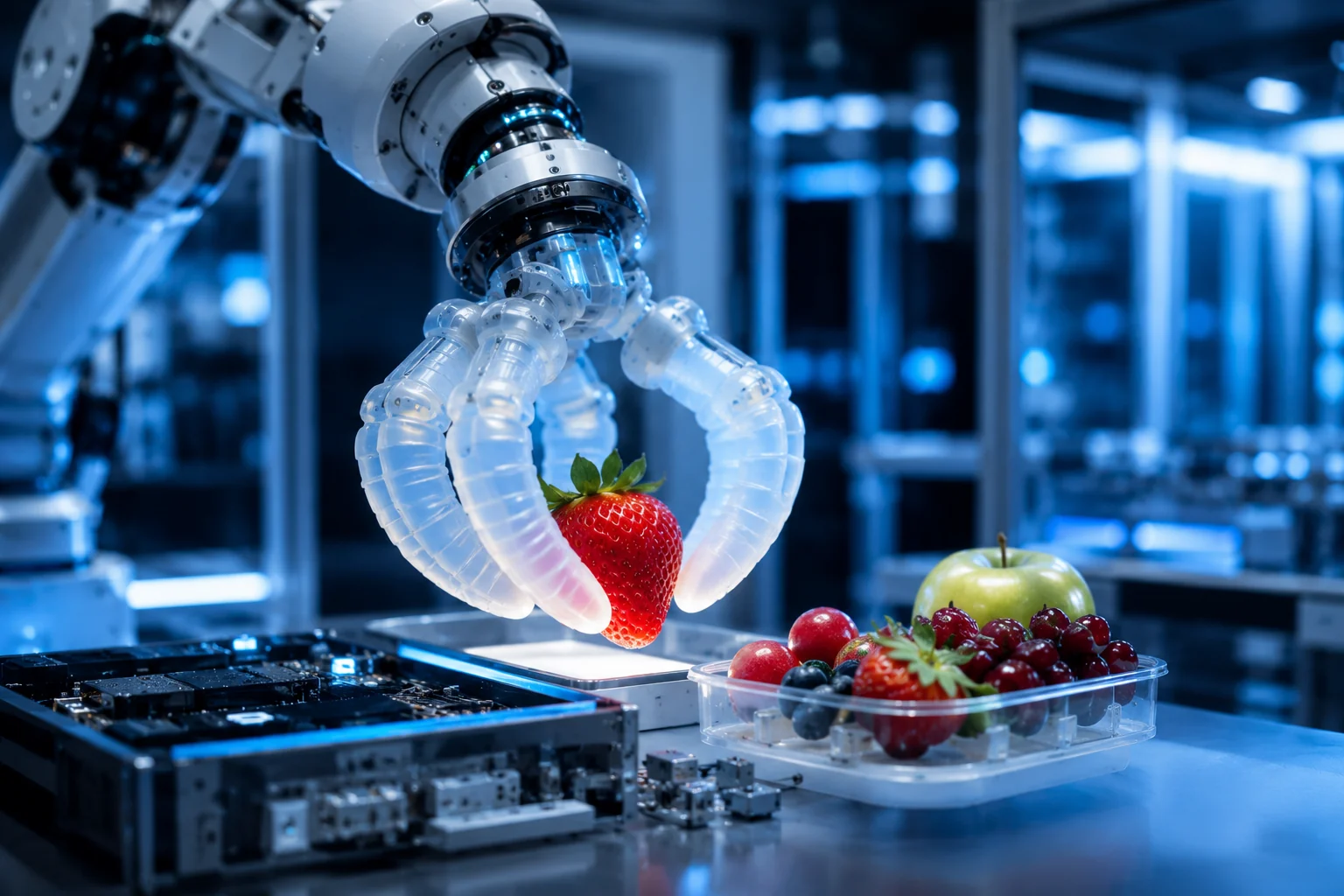
Old industrial robots were powerful, but not gentle. Soft robotic grippers change that by using flexible materials that can hold fragile objects without crushing them.
This matters in food handling, medical automation, electronics assembly, and anywhere a robot needs to touch something that cannot be treated like a steel part.
Humanoid robots are entering pilot workflows
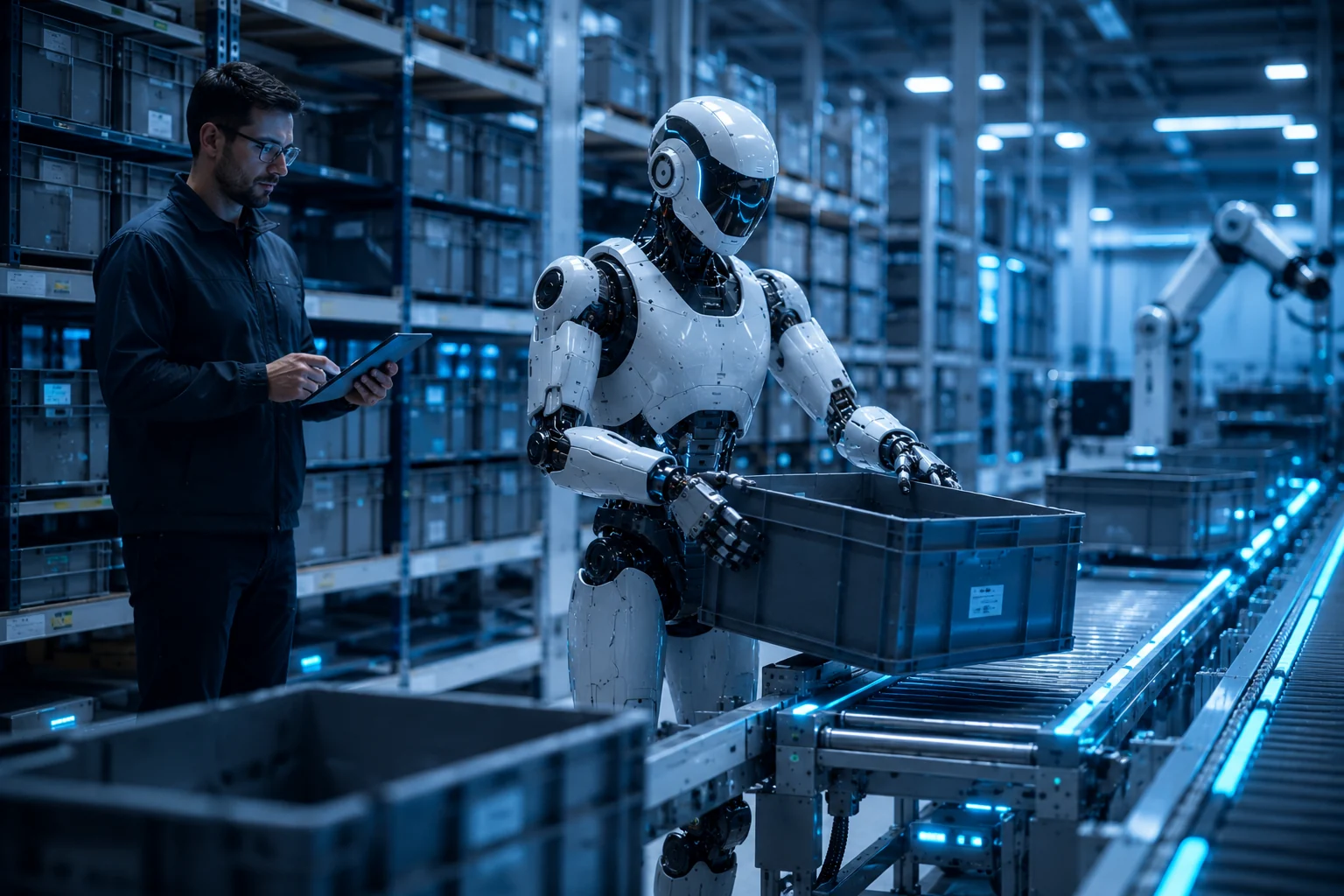
Humanoid robots are still early, but they are becoming more practical. The goal is not just to make robots look human. The real advantage is that human-shaped machines can operate in spaces already designed for people: shelves, carts, doors, bins, tools, and workstations.
The smart companies are testing humanoids where repetitive tasks are common and human supervision is still nearby.
Robot vision is the hidden breakthrough
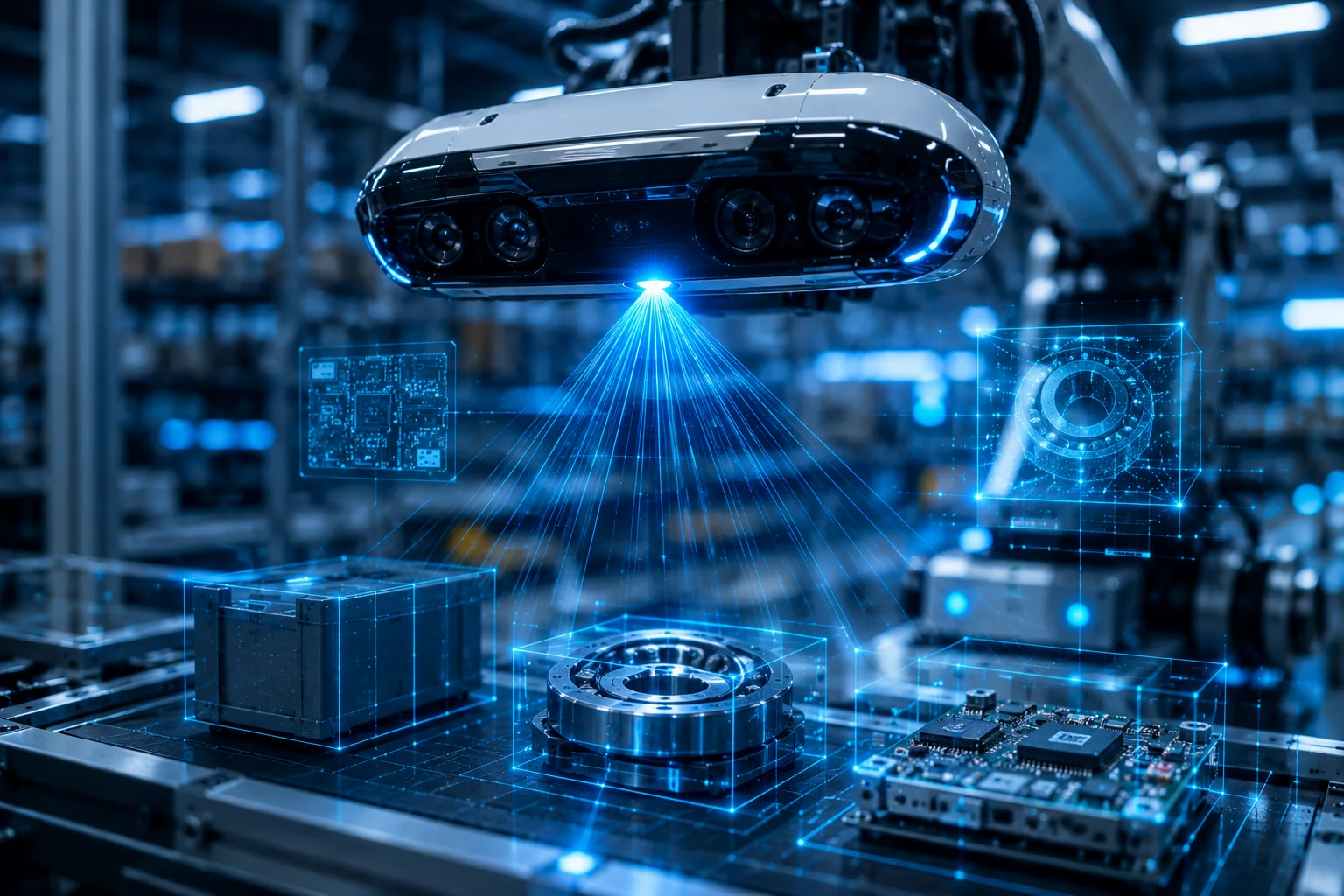
Robots cannot work safely if they cannot understand what is around them. Depth cameras, lidar, object detection, and AI perception systems help machines recognize people, packages, tools, and obstacles.
This is one of the most important parts of robotics because better perception means safer robots, fewer mistakes, and more useful automation.
Consumer AI robots: small machines, big signal
Desktop and home companion robots show where consumer robotics is heading. These devices are not warehouse workers, but they teach people how AI machines can become more emotional, playful, and interactive.
Eilik AI Desktop Robot
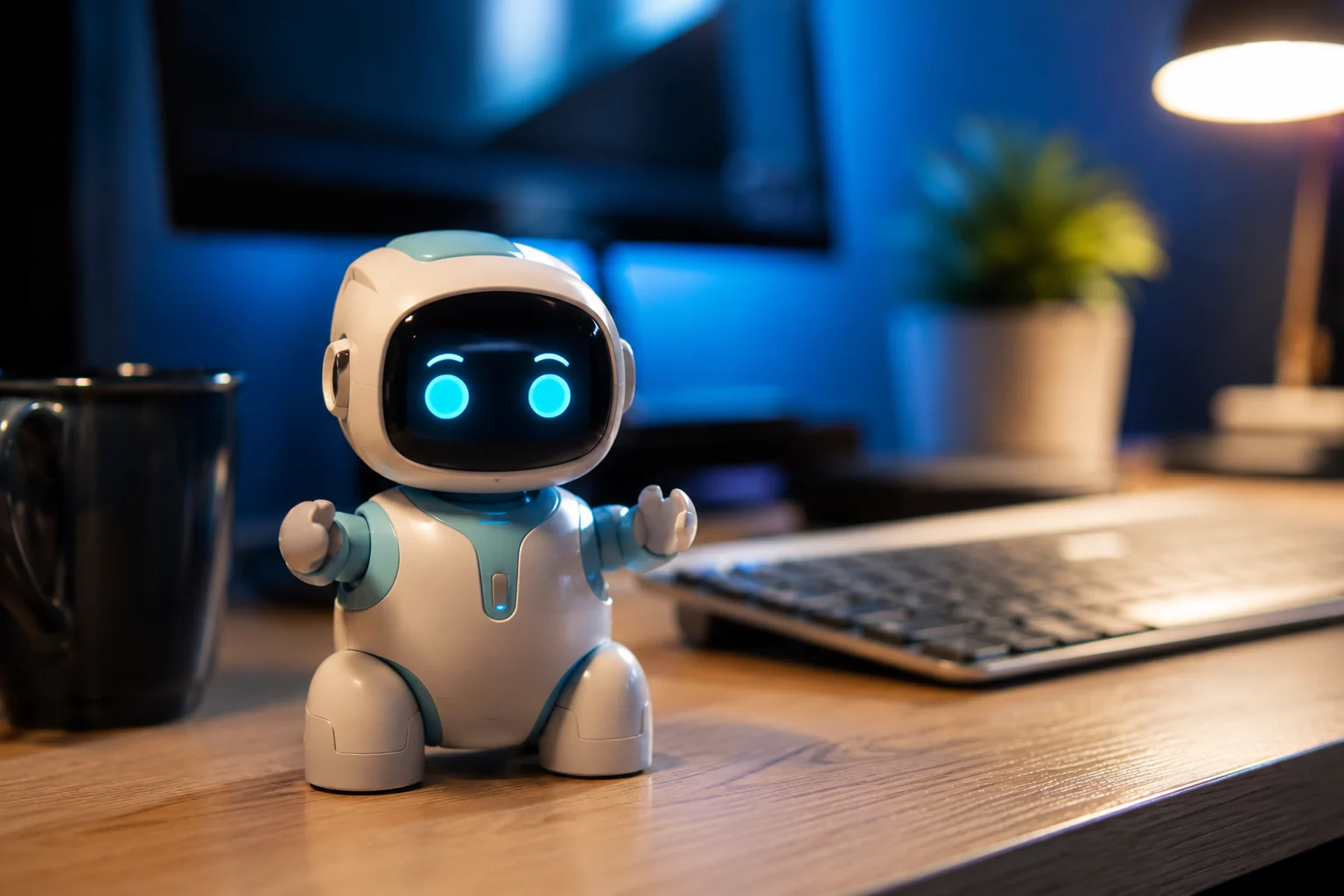
Eilik-style robots are small, expressive desktop companions built around personality, reactions, and playful interaction.
View Eilik on AmazonLoona AI Robot Dog
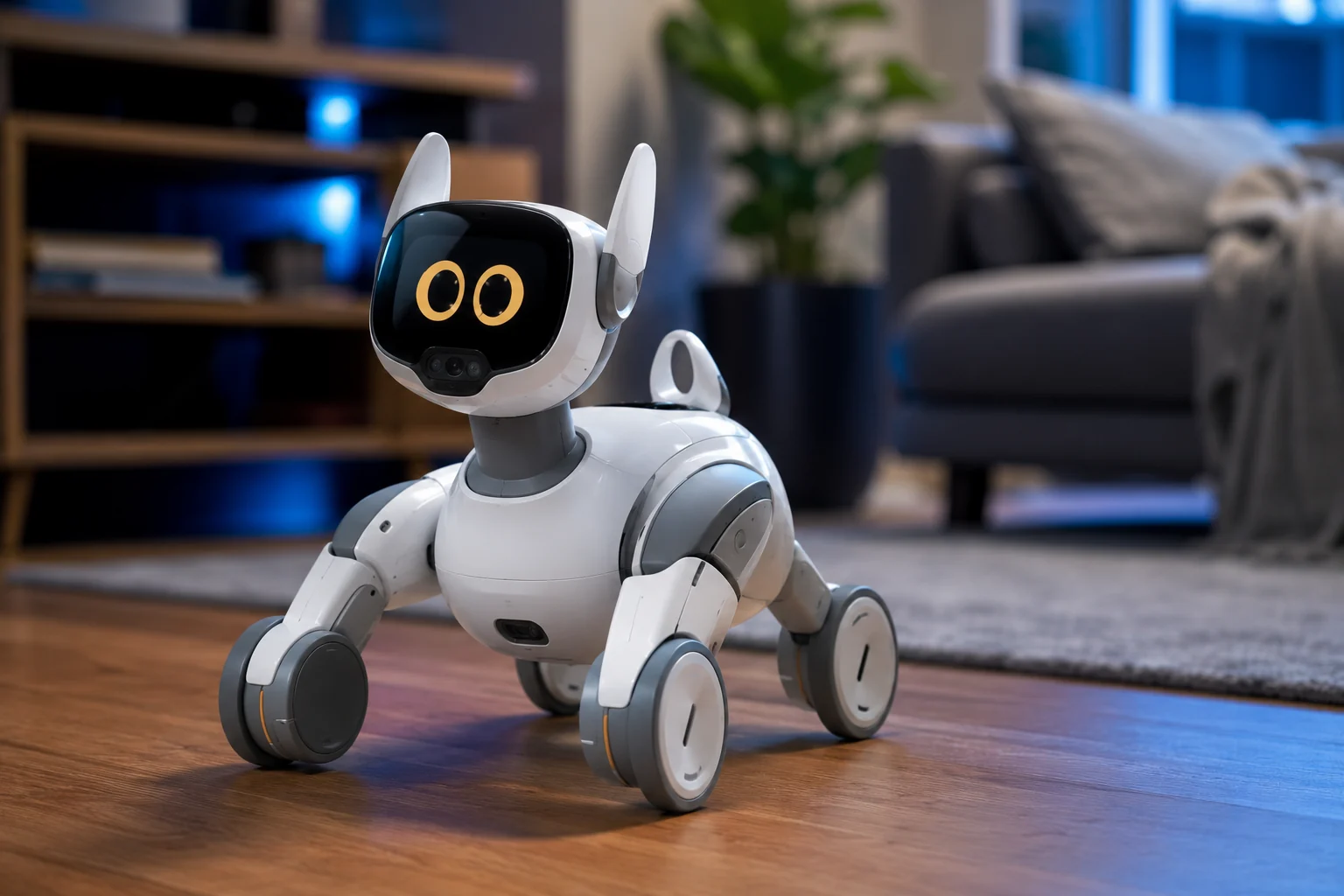
Loona-style robot dogs bring the pet-like side of consumer robotics into the home with movement, expression, and interactive behavior.
View Loona on AmazonTrending Next
These image references are now separated so the cards do not reuse the wrong visual.
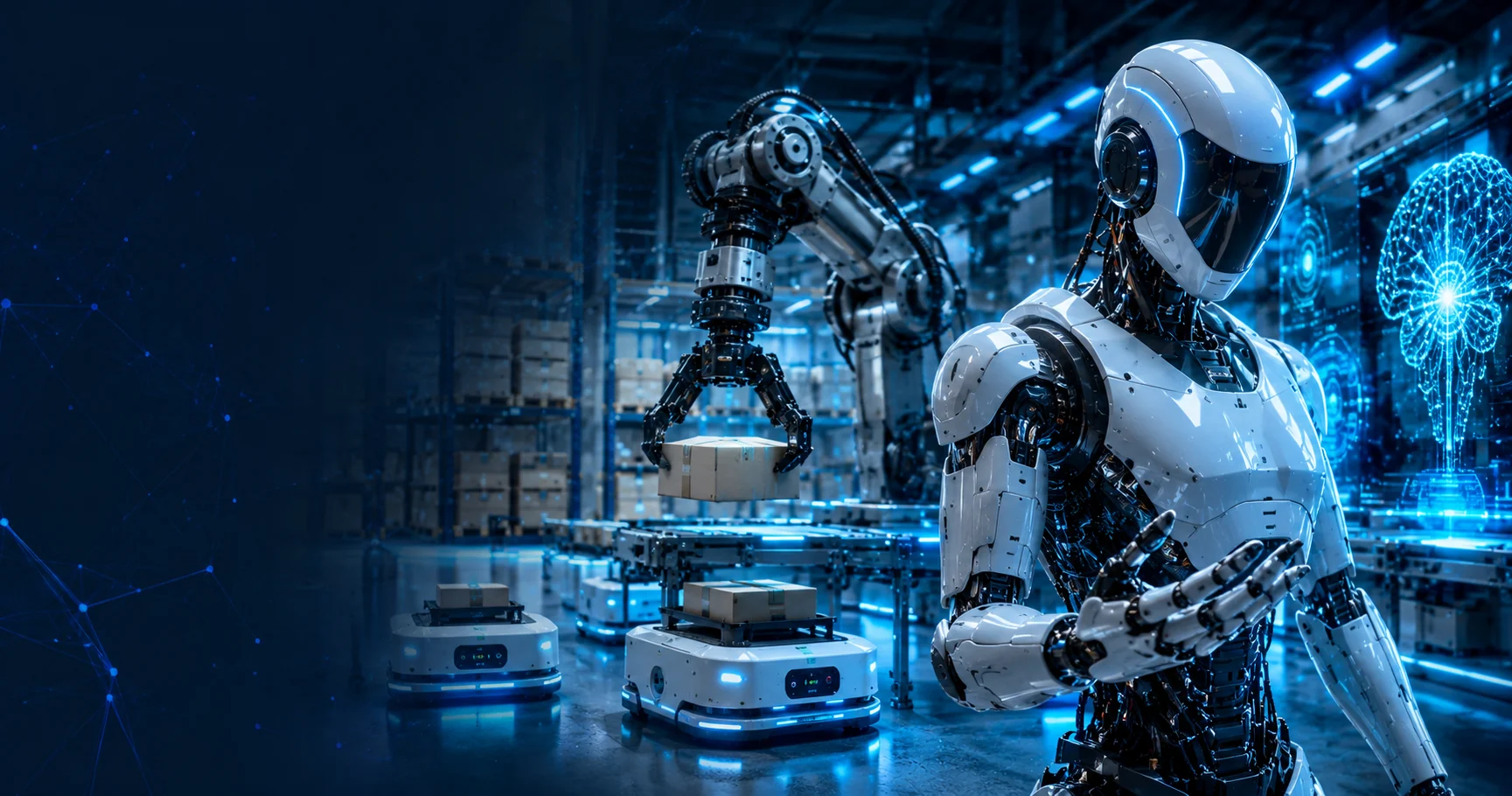
AI robots, warehouse automation, and smart machines.
Small expressive robot companion.
Pet-like consumer robot companion.
Bottom line
Robotics is moving from “cool demo” to “real tool.” The machines that win will not just look futuristic. They will solve boring, repetitive, physical problems better than before — safely, reliably, and at scale.
Back to Articles