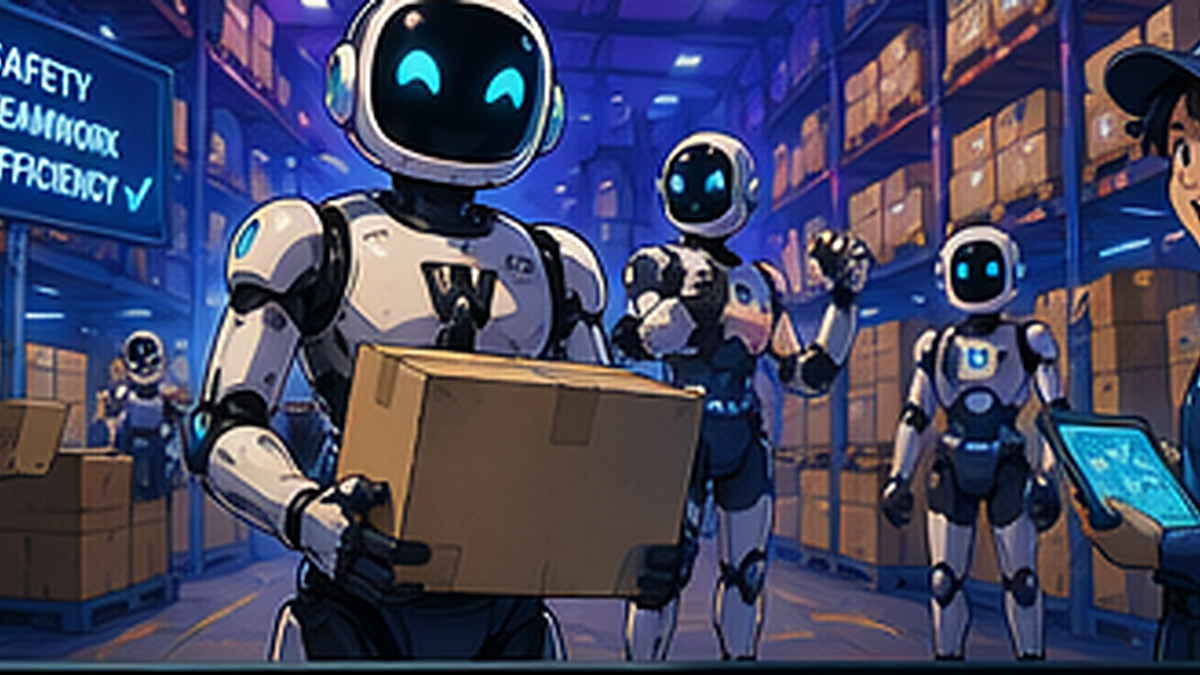
Humanoid robots are not a future concept anymore. They are being pushed into real warehouses, logistics operations, and industrial test environments right now. That matters because these spaces were built for people first. A humanoid machine can use human pathways, human-scale tools, and human workstations without forcing companies to rebuild everything from scratch. The question is no longer whether humanoids look impressive. The real question is whether they can work reliably, safely, and long enough to justify the cost.
🏭 Why Humanoids Matter
Most industrial robots are built for one tight, controlled workflow. Humanoids are different. They are designed to step into environments already made for human movement and human tools. That makes them interesting for warehouses, loading zones, repetitive transport tasks, and manufacturing support where flexibility matters more than speed alone.
⚙️ What They Can Actually Do
Today’s humanoids are strongest at repetitive physical tasks: lifting totes, moving bins, sorting items, carrying materials, and handling simple interactions in structured spaces. They are not magic workers. They are test platforms for physical AI, and their current value is consistency, not creativity. When the job is predictable and tiring, that is where they start to make sense.
🚧 The Real Limitations
Here is the part people skip: humanoids are still expensive, slower than specialized systems, and harder to maintain than a flashy video makes them look. Battery life, safe motion, dexterity, and recovery from unexpected mistakes are still major hurdles. That does not kill the category. It just means the winners will be the companies that solve reliability, not just spectacle.
Where Humanoid Pilots Make the Most Sense
Picking, moving bins, and repetitive warehouse transport.
Parts handling, line support, and repetitive transfer work.
Stock movement, restaging, and off-hours support tasks.
Assistance work where human-shaped access matters.
🤖 Experience AI Robotics Yourself
These are not warehouse humanoids, but they give you a hands-on feel for how expressive, interactive robotics is already reaching the consumer side.

Eilik AI Robot
Expressive desktop companion with reactions, motion, and real personality built in.
Explore Eilik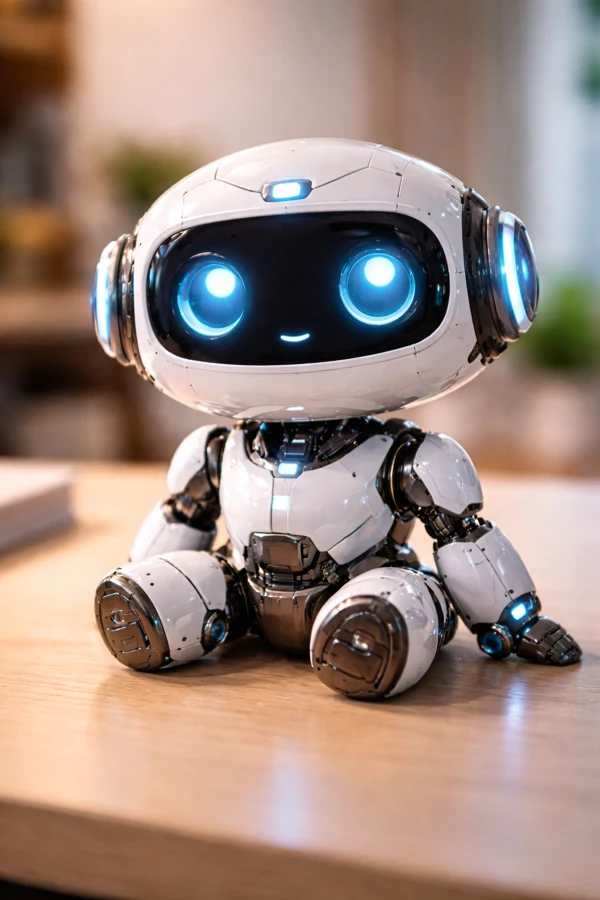
Loona AI Robot Dog
AI-powered robot pet with voice and gesture interaction that feels more alive than a toy.
Explore LoonaTrending next
After this one, these are the best next taps for robotics readers on your mobile site.
Robotics Breakthrough 2025
See the warehouse systems, soft robotics, and practical upgrades landing now.
Gemini Robotics
Follow how multimodal AI is being pushed deeper into robotic reasoning and action.
Squishy Robotic Eye
Take a look at softer, biology-inspired sensing systems that change how robots feel the world.