Here is the big deal: robotics is no longer only about bigger humanoids, faster factory arms, or smarter drones. The next serious frontier is microscopic machines that can operate where normal robots simply cannot go.
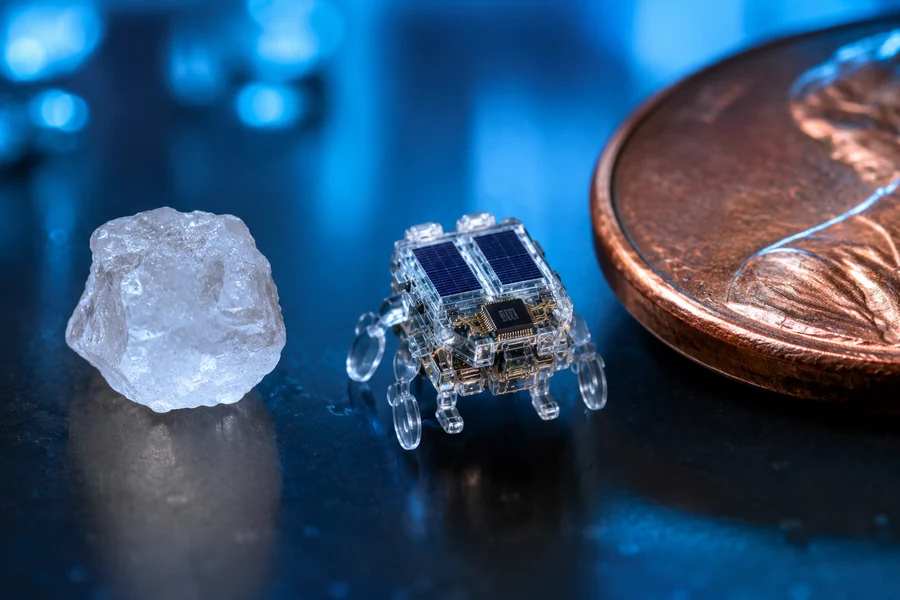
Bottom line: Penn and University of Michigan researchers describe robots measuring about 200 × 300 × 50 micrometers — smaller than a grain of salt — with onboard computation, sensing, light-powered operation, and programmable behavior.
Why This Breakthrough Matters
Getting a robot below one millimeter is not just a shrinking contest. At that scale, the physics changes. Liquids feel thick, power is brutally limited, and classic mechanical parts become a liability. A robot this small needs a totally different design mindset.
That is why this research is worth paying attention to. These microrobots are not remote-control toys. They carry tiny electronics, use light as their power source, and can respond to local conditions. In plain English: they are starting to act like real autonomous machines at a scale where robotics has been extremely hard to pull off.
Physical AI Does Not Have to Be Human-Sized
When people hear physical AI, they usually picture humanoid robots walking through a warehouse or helping around a home. That is part of the story, but it is not the whole story. Physical AI also includes machines that sense their environment, make decisions, and act inside the physical world — even if the machine is almost invisible.
That is what makes salt-grain microrobots exciting. They show how autonomy can be pushed down into tiny hardware, opening a path toward machines that operate near cells, inside fluid channels, or across microscopic surfaces.
How a Robot This Small Can Move
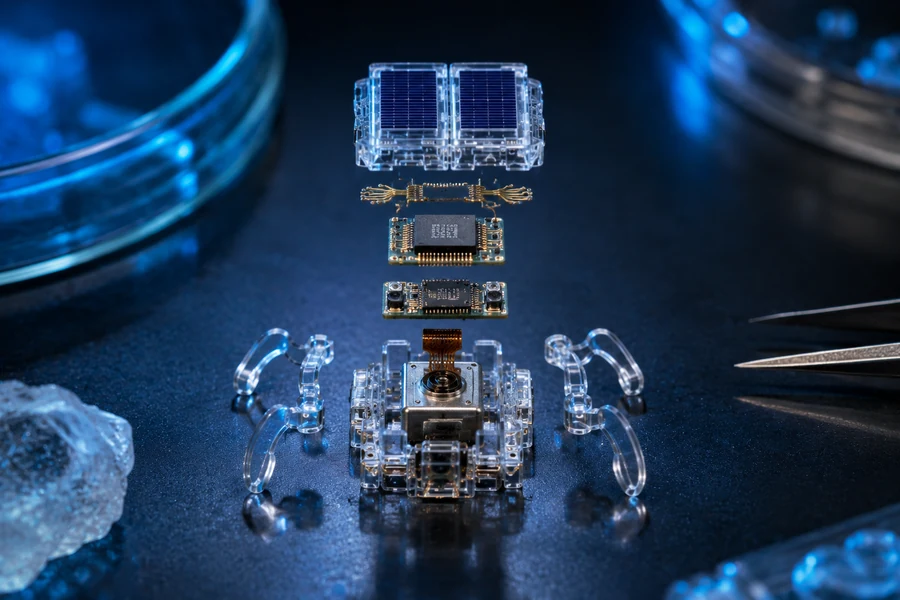
At microscopic scale, propellers and gears are usually the wrong answer. These robots use electric fields in fluid to push ions and generate motion. That means they can move without fragile conventional moving parts.
They also use light for power and programming. That matters because a battery would dominate the design. Light lets the robot stay tiny while still receiving instructions and performing useful actions.
Tell it straight: these are not miracle medical nanobots ready to clean arteries tomorrow. This is early research. But it is a legitimate platform step toward microscopic machines that can sense, decide, and act.
Where This Could Go Next
The obvious long-term targets are medicine, biological sensing, and micro-manufacturing. Think tiny robot systems that monitor individual cells, explore fluid environments, inspect hard-to-reach surfaces, or help assemble devices too small for standard tools.
The bigger idea is swarm robotics. One microrobot is interesting. Thousands of cheap microscopic agents working together could become a totally different class of machine. That is where this starts to feel like a real robotics shift.

Video Watch List
These cards use reliable click-to-play YouTube searches instead of fragile embeds. That keeps the page lighter, cleaner, and safer on mobile.
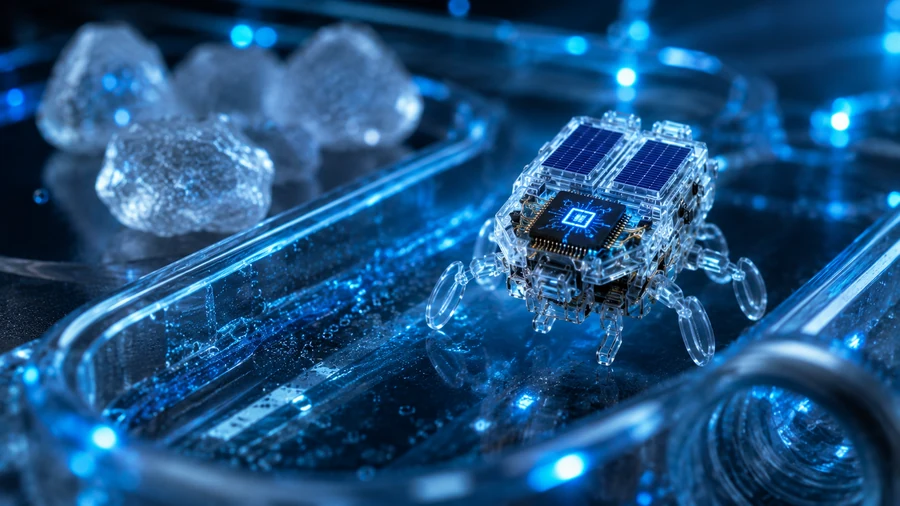
Microscopic Robots That Sense, Think, and Act
A strong starting point for fabrication, onboard sensing, and why autonomy matters.
Watch on YouTube
Tiny Robots With Giant Potential
An accessible route into medicine, manufacturing, and swarm robotics.
Watch on YouTube
Advanced Microrobotics Research
A deeper path for readers who want engineering context beyond the headline.
Watch on YouTube