Why this matters to you
You do not need a physics degree to understand why quantum computing matters. Normal computers are great at step-by-step logic, but some problems are so complex that even powerful supercomputers struggle. Quantum computers are being built to attack some of those impossible-looking problems from a different direction.
That does not mean your phone becomes quantum next year. It means the hidden systems behind medicine, cybersecurity, weather modeling, AI research, logistics, and advanced science could eventually get a serious upgrade.
Bits vs. qubits: the first big leap
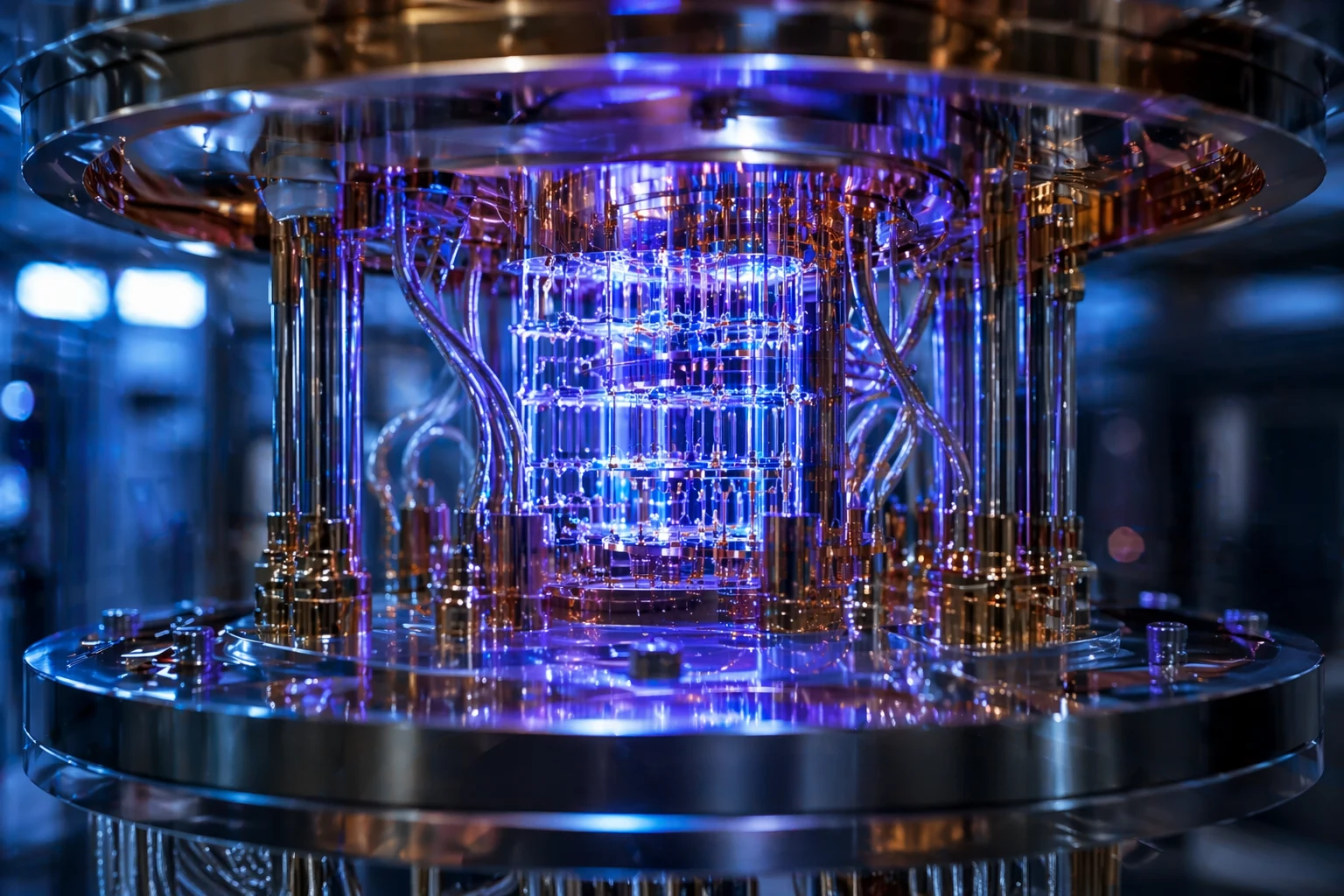
A qubit is not just a tiny classical switch. It behaves according to quantum rules.
A regular computer uses bits. A bit is either a 0 or a 1. A quantum computer uses qubits, and qubits are not locked into only one simple state while they are being processed.
A qubit can behave like a blend of possibilities until it is measured. That is where superposition comes in. It means the system can work with probability states in a way classical computers cannot.
Then comes entanglement
When qubits are entangled, the state of one qubit is connected to the state of another. In computing, that connection can help quantum systems represent relationships that are extremely hard for normal computers to copy efficiently.
Quantum networks: when computers share quantum information

A future quantum network could link labs, data centers, and secure communication systems.
The future may include quantum networks, where quantum devices communicate using photons, entanglement, and specialized hardware.
This could matter for secure communication, distributed quantum computing, and scientific networks that connect powerful quantum systems across cities or countries.
Quantum security: the warning and the opportunity

Quantum computing could challenge old encryption while pushing stronger protection forward.
Security is one of the biggest reasons quantum computing gets serious attention. Some future quantum computers could threaten older encryption systems.
That is why researchers and security teams are working on post-quantum cryptography now. Waiting until after the threat arrives would be a bad move.
Quantum + AI: where discovery speeds up
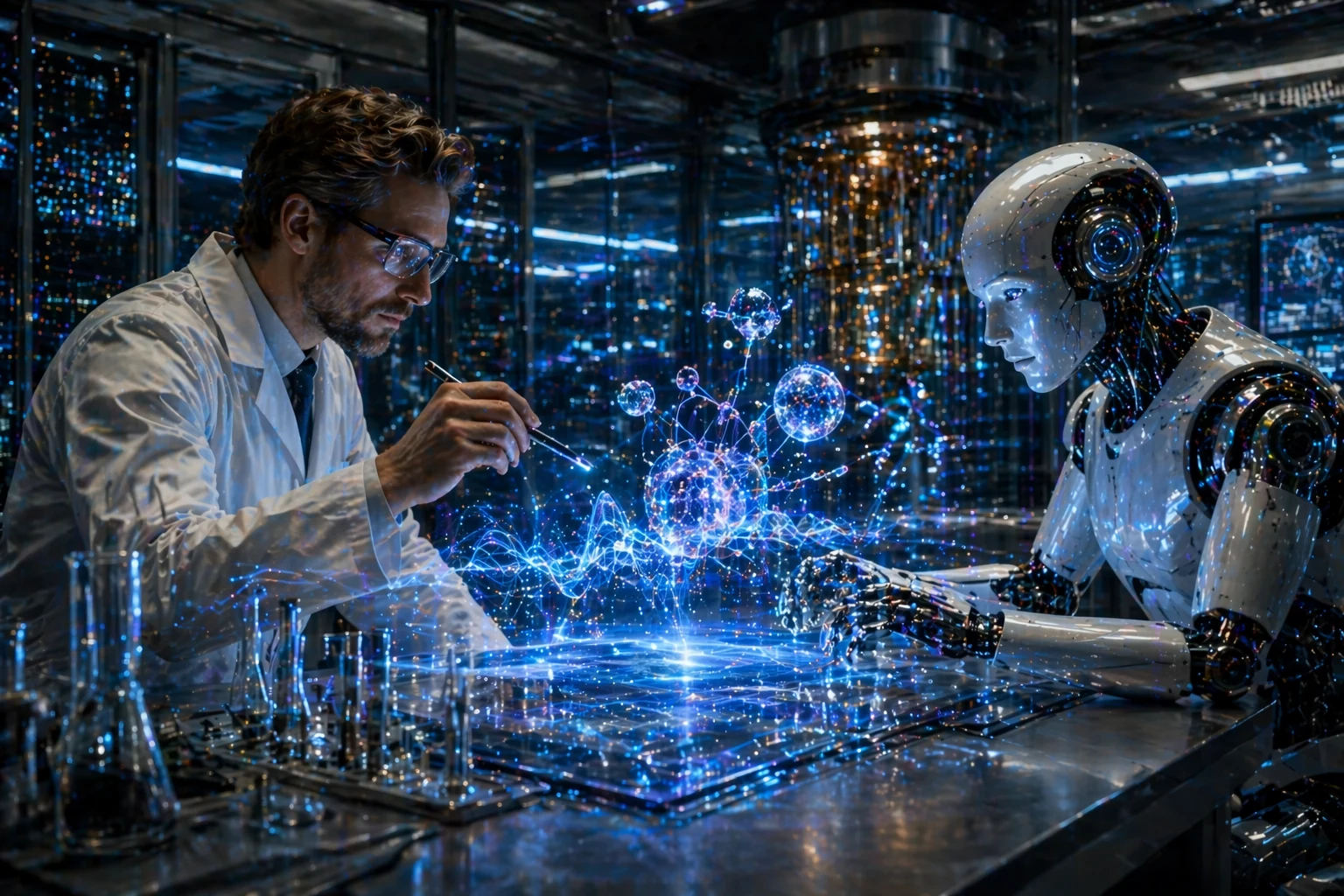
The biggest wins may come when quantum computing, AI, and advanced simulation work together.
The most exciting future is not quantum by itself. It is quantum plus AI, quantum plus robotics, quantum plus biology, and quantum plus advanced simulation.
That could change how new medicines are discovered, how climate models improve, how batteries are designed, and how advanced robots understand complex physical environments.