PARO therapeutic robot
This is the calming, therapeutic side of the field: less about task automation, more about emotional comfort and engagement in care environments.
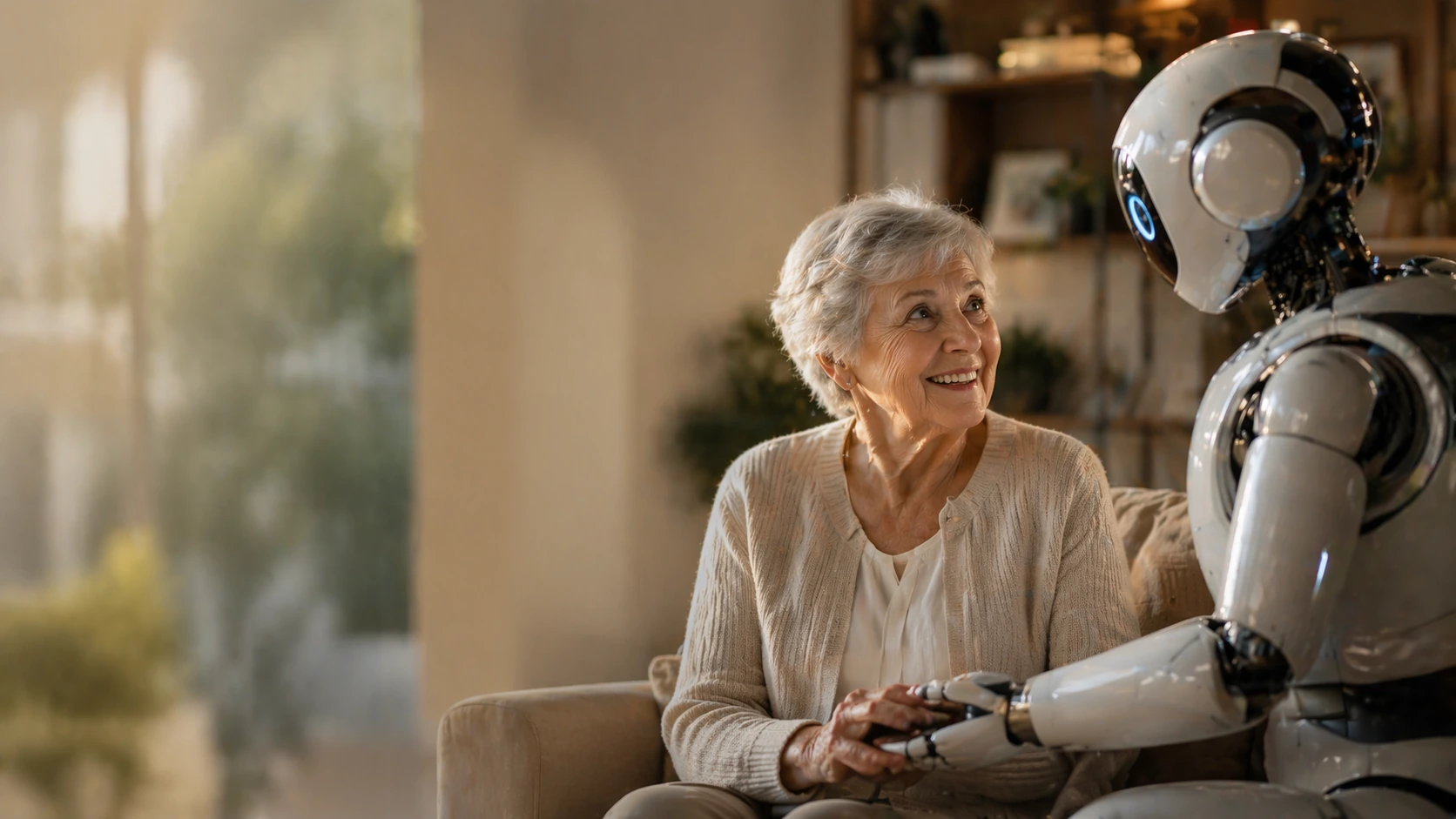
If you are looking at elder care robots for yourself or someone you care about, the real question is simple: can the system make daily life safer, smoother, and less stressful without feeling invasive, cold, or unreliable.
This is the part people usually skip, and it is the part that matters most.
If you are looking at elder care robots for yourself, a parent, or someone you care about, the real question is not whether a machine can do impressive tricks. The real question is whether it can reduce friction in daily life. Can it help with reminders? Can it provide check-ins that do not feel robotic in the worst way? Can it support independence without creating a new pile of stress?
That is where this field gets interesting. The strongest elder care systems are not trying to be movie robots. They are trying to be consistent, calm, and useful. In this space, boring reliability beats flashy tech every time.
Blue-flag takeaway: A good elder care robot should make home life feel smoother, safer, and more connected. If it feels creepy, confusing, or needy, it is already failing the job.
This is where the value starts to feel real instead of theoretical.
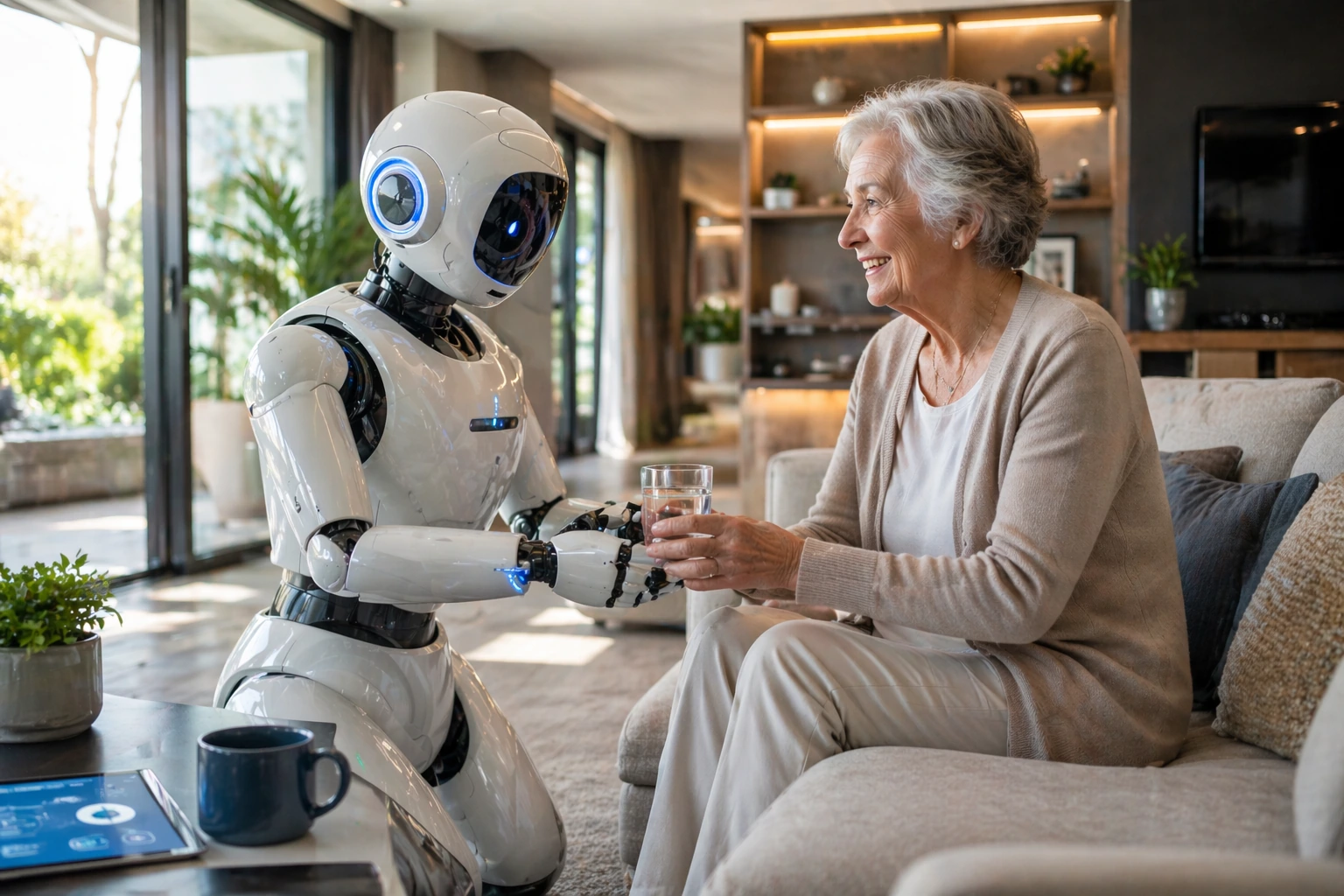
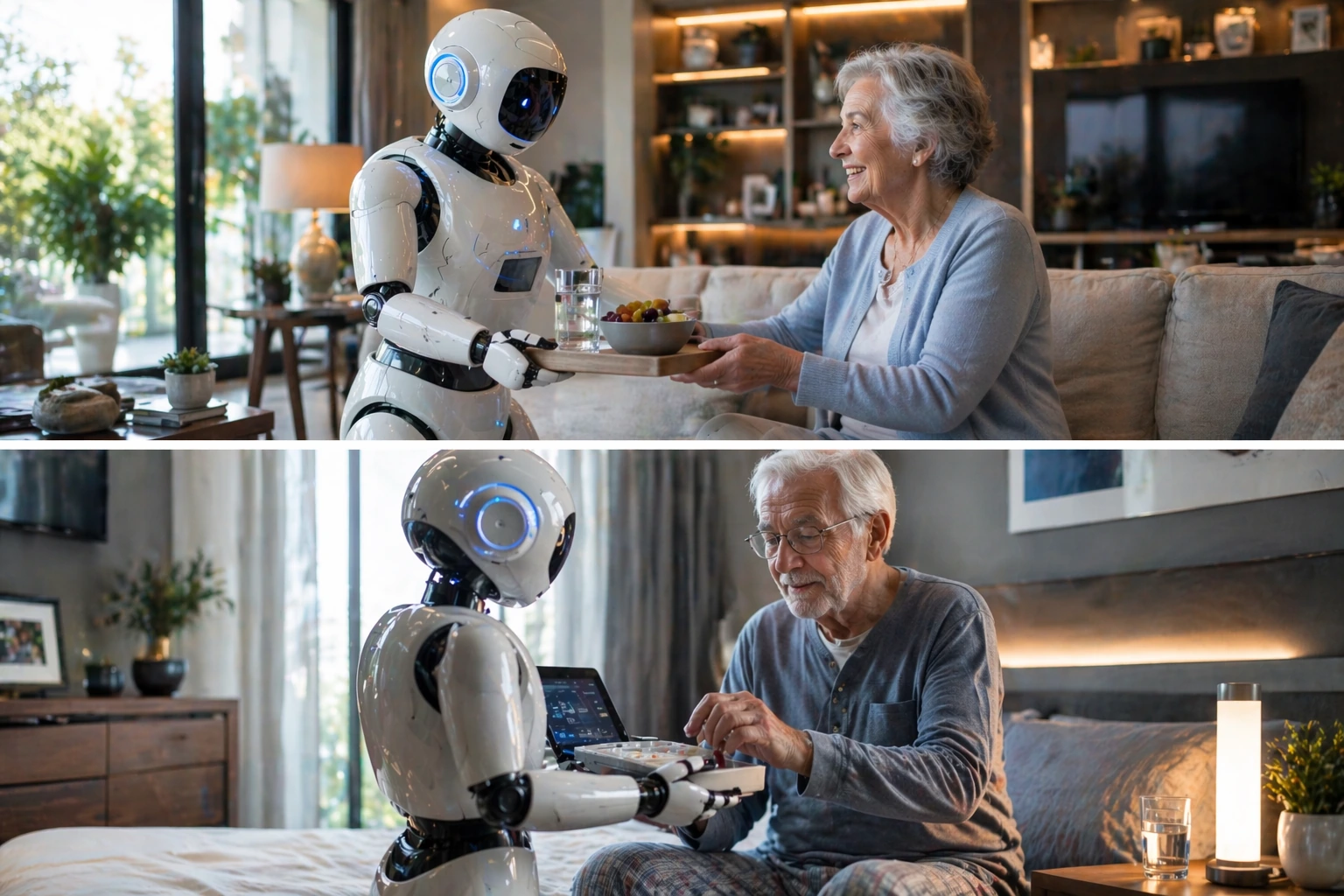
You should be picky here. This is not the place to settle for clumsy tech.
If you are evaluating one of these systems, look for the basics first. Can the person actually use it without frustration? Does it respond clearly? Does it work on the days when nobody has the patience to troubleshoot it? Trust comes from consistency, not marketing language.
You also want to think hard about privacy. Some families want more visibility. Others want the least intrusive support possible. There is no universal answer, but there is a bad one: adding cameras, sensors, or monitoring features without being honest about what that feels like in a real home.
What separates strong products from weak ones: fast setup, dependable reminders, clear communication, low-friction interaction, and support that feels like help rather than supervision.
These three videos show different corners of the elder care robot space: therapy, social companionship, and practical support.
This is the calming, therapeutic side of the field: less about task automation, more about emotional comfort and engagement in care environments.
ElliQ shows what a more conversation-driven care companion can look like when the goal is reducing isolation and helping someone stay engaged day to day.
This one shows the more physical side of the story: why assistive robotics could be huge, and why real-world home support is still a hard engineering problem.
Here is the cleanest way to think about the whole category.
If you expect a robot to replace caregiving, you are setting yourself up for disappointment. If you expect it to support routines, encourage connection, improve visibility, and help someone stay independent a little longer, now you are asking a smarter question.
The future of elder care robots is probably not one magic machine. It is a mix of voice tools, sensors, reminders, smart assistants, telepresence, and selective physical support that works together without feeling overwhelming. That is the version worth paying attention to.
The page includes the stronger share system from your master template, plus a copy-link action that actually works.